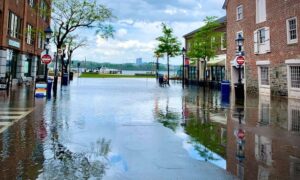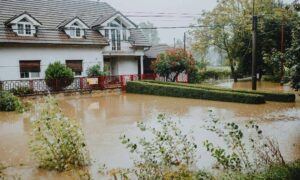
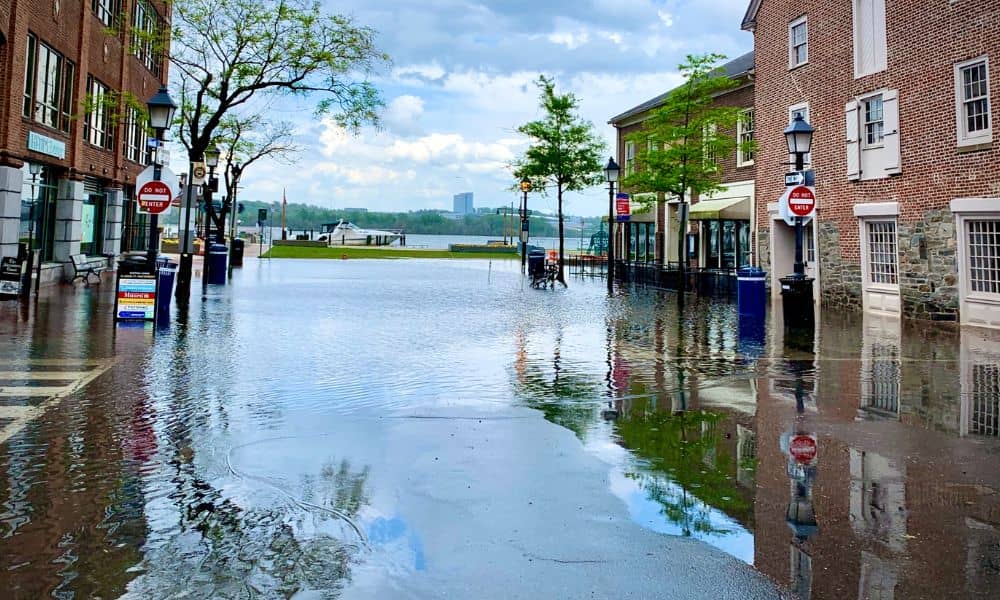
Miami is used to big headlines, but the newest reports hit a little harder than usual. Several news outlets this week warned that rising seas could reach dangerous levels by mid-century, putting low-lying parts of the city at higher risk. Videos of flooded streets in Brickell and Miami Beach spread fast online, and people began asking the same question:
“If the water keeps rising, how safe is my condo?”
That’s where a flood elevation survey comes in. Most condo buyers hear about this document during closing, but very few understand how much it actually matters. With new sea-level projections shaking Miami real estate again, this survey is no longer a boring technical sheet—it’s one of the most important tools you have to protect your investment.
Rising Seas Are Changing the Miami Real Estate Market
The recent projections didn’t appear out of nowhere. Miami has been dealing with king tides, heavy rain, and sunny-day flooding for years. But the latest numbers are more aggressive than before. Scientists say the combination of rising seas and porous limestone ground creates a recipe for more frequent flooding.
If you’ve driven along Alton Road during a king tide, you already know what this looks like. Water creeps up from the storm drains, streets turn into shallow rivers, and cars splash through as if it’s normal. The problem is that these events no longer happen once a year. They show up more often, and the city knows it.
Miami-Dade’s flood zone maps are already under pressure to keep up with this new reality. As the water rises, maps change, and insurance companies adjust their prices. At the same time, Florida’s new flood-disclosure rules require sellers to reveal flood damage and insurance claims. Even though this helps buyers, it still doesn’t answer the key question:
“How high is my building compared to the water?”
Only a flood elevation survey gives you that answer.
What a Flood Elevation Survey Actually Tells You
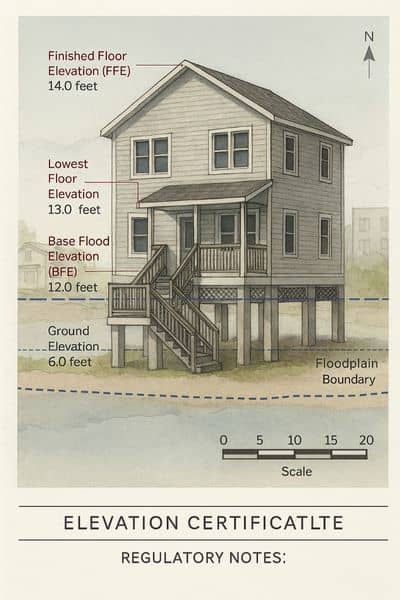
A lot of people think a flood elevation survey is just another piece of paperwork for the bank. It’s much more than that. This survey shows the exact height of your building’s lowest floor compared to the Base Flood Elevation (BFE). The BFE is FEMA’s predicted water level during a major flood. If your building sits above that number, that’s great news. If it sits below, the risks jump quickly.
The survey also measures:
- The height of your garage slab
- Where your electrical systems sit
- How high A/C units and generators are
- The elevation of entry points
- Whether the ground level has changed since construction
These details help you understand how vulnerable your condo is. Even a small difference—sometimes just one foot—can affect insurance premiums, resale value, and safety.
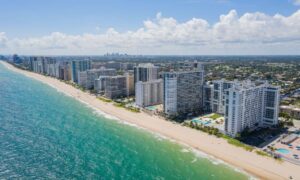
In areas like Edgewater, Miami Beach, and Brickell, this difference matters even more. These neighborhoods sit at some of the lowest elevations in the city. When the news reveals that sea levels might rise faster than expected, the impact hits these zones first.
Why Sea-Level Projections Make Elevation Even More Important
Miami is no stranger to risk. People hear about hurricanes and flooding all the time. But the new projections hit differently because they suggest the ground is losing the race against rising water.
Here’s what that means for buyers:
1. Flood insurance may get more expensive. Insurance companies set their prices based on elevation and flood zone. If the sea rises, zones might change, and rates will follow.
2. Lenders may ask for stricter documentation. Banks care about safety because they’re protecting their loan. A flood elevation survey helps them confirm if the building is still worth financing.
3. Older condos may need updates. If the mechanical rooms or parking garages sit too low, associations may need to raise equipment or improve drainage.
4. New projects may shift design plans. Developers already elevate foundation slabs higher than required, especially in places like North Bay Village and the Upper East Side.
Even though these changes may feel like long-term concerns, they affect your buying decision right now. You want to know if the building you’re considering today will still be safe in 10–20 years. A flood elevation survey helps you see the long game clearly.
Real Miami Scenarios That Show Why Elevation Matters
To understand how this plays out, let’s look at a few real examples that buyers run into every day.
Brickell: The Parking Garage Problem
Many Brickell towers have underground parking. When water rises, garages flood first. If the garage floor sits below the BFE, the whole building becomes riskier, even if your unit is on the 40th floor.
Miami Beach: Only a Foot Makes a Difference
Miami Beach properties sit extremely low. If the survey shows the lowest floor is even one foot under the BFE, flood insurance can jump by thousands each year.
Edgewater: Growing Water Table
Some buildings in Edgewater face flooding not just from the ocean but also from below. When the groundwater rises, it overwhelms storm drains. A flood elevation survey shows how close the building’s foundation is to this water pressure.
These examples show why buyers shouldn’t rely on disclosure forms alone. A condo may look perfect on the outside, but the elevation numbers reveal the truth.
How Buyers Can Use a Flood Elevation Survey Before Closing
A flood elevation survey is most powerful before you sign a contract. It helps you compare buildings, understand risk, and even negotiate.
Here’s how:
• You can ask the seller or HOA for the latest survey. If they don’t have a recent one, that’s a red flag.
• You can compare the reported elevation with Miami-Dade’s maps. Maps show the current zone, but the survey shows reality on the ground.
• You can challenge high insurance quotes. Sometimes insurers use outdated data. A fresh survey can lower premiums.
• You can spot buildings that will face future flooding issues. This helps you avoid special assessments and repair surprises down the road.
A flood elevation survey turns “I hope it’s safe” into “I know this building is safe.” That confidence matters when you’re about to take on a mortgage in a flood-prone coastal city.
In Miami, A Few Inches Can Change Everything
The recent sea-level headlines may feel dramatic, but they highlight something buyers need to take seriously. Flood risk is changing faster than most people expect, and the property market is shifting with it. While videos of flooded streets grab attention, the elevation numbers behind your condo matter even more.
Flood elevation surveys give you clear facts in a city where water keeps rising and flood zones continue to expand. They help you make smarter decisions, avoid hidden risks, and protect the value of your home.
If you’re buying a condo, don’t skip this step. In a place where even one extra foot of elevation can save thousands, these surveys become one of the smartest investments you can make.