If you own a home, you should consider ordering a boundary line survey sooner rather than later. With recent floods and king-tide surges sweeping through South Florida, knowing exactly where your property ends and your neighbor’s begins has never been more important.
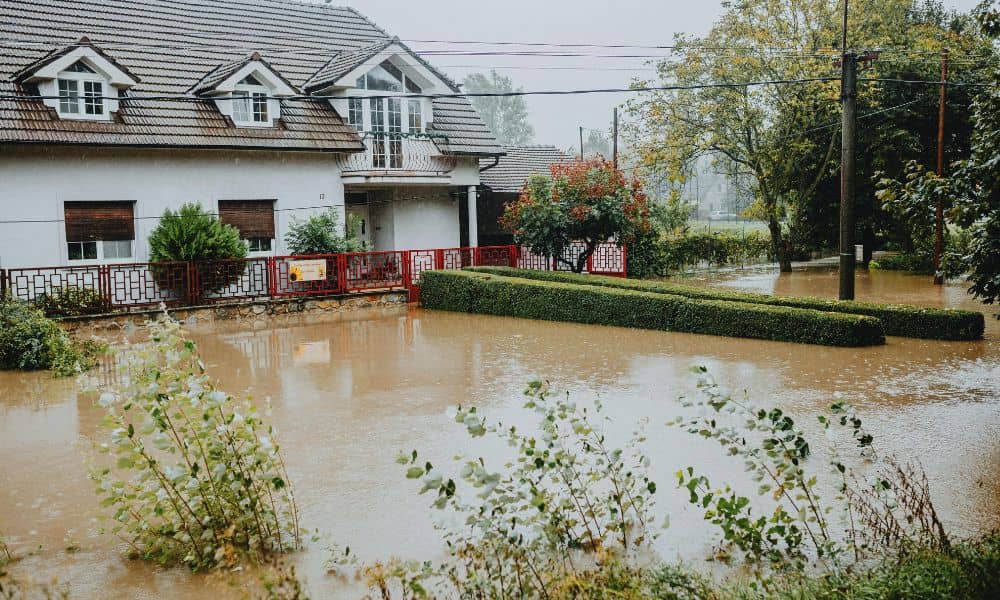
Last week, streets across Miami-Dade and Broward counties saw water creeping up driveways, storm drains overflowing, and seawater pushing inland where it normally doesn’t. These events are more than just a nuisance. They show how shifting land, erosion, and unexpected water paths can threaten your property boundary — right when you might least expect it.
Storms and Tides: A Perfect Storm for Property Boundaries
South Florida isn’t just dealing with heavy rainfall. Every year between September and November, the region experiences “king-tide” season — when unusually high tides combine with rising sea levels and push water into low-lying streets, yards, and sometimes garages. Add a sudden downpour and you have water flowing where it normally wouldn’t.
When water moves like that, it can shift soil, erode fence lines, or expose old boundary markers. If your neighbor’s property and yours sit side by side, and suddenly the land between you starts shifting, you might wonder: did your property line change? Legally, it hasn’t — but visually, it might look that way. Fences, walls, and driveways could end up slightly off from the true legal boundary.
That’s why the recent flooding is a red-flag moment. It’s not just about water in the yard — it’s about what moving water and unstable soil can do to your property limits.
What a Boundary Line Survey Really Does
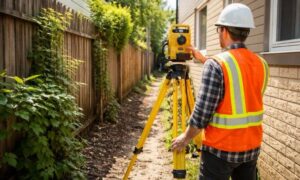
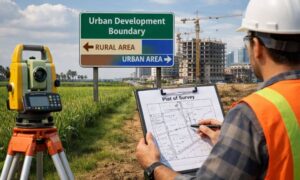
You might already know that a boundary line survey helps mark where your lot begins and ends. But in a flood-prone environment, it does much more. A survey identifies your property corners, records easements, and finds any encroachments — like fences or patios that cross onto neighboring land. It shows your exact, legal footprint.
With storms becoming more intense, this record matters. A boundary line survey done now captures your property before erosion or shifting ground occurs. If you ever need to rebuild or prove where your limits were before damage, that survey becomes your strongest evidence.
In short, a boundary line survey isn’t just a technical report — it’s your property’s proof of identity. Without it, the next big storm could leave your boundaries in doubt.
How Flood-Risk and Boundary Risk Intersect
Here are a few real-world examples of how flooding and property lines can collide:
- Eroded seawalls: Repeated high tides wear away soil near the edge of a lot. If a seawall shifts or cracks, you might lose visible markers — and gain future disputes about who owns that sliver of land.
- Retaining wall damage: After a flood, contractors bring in new soil or fill. If they rebuild without verifying boundaries, your new structure could sit a few inches onto someone else’s property.
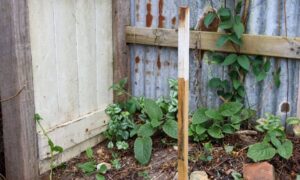
- Tilted fences: Drainage overflow washes out topsoil, causing posts to lean. Over time, the “visual” boundary drifts — but the legal one stays fixed.
Each of these issues starts small but can lead to expensive repairs or arguments. A boundary line survey taken after a flood shows exactly where the property stands today, so you can document any future changes.
Why a Post-Flood Boundary Line Survey Matters
When the water recedes, most homeowners rush to clean up — but few think about surveying. Yet that’s the moment your survey matters most. Flooding can:
- Wash away corner stakes or monuments
- Shift visible boundaries, like fences or curbs
- Change the grade near property lines, especially around seawalls or drainage channels
A professional surveyor re-establishes those reference points using permanent records and precise equipment. The result: an updated boundary plan that you can use for insurance claims, home improvements, or even future resale.
The Flood-Smart Survey: What to Expect

When the water recedes, most homeowners rush to clean up — but few think about surveying. Yet that’s the moment your survey matters most. Flooding can:
- Wash away corner stakes or monuments
- Shift visible boundaries, like fences or curbs
- Change the grade near property lines, especially around seawalls or drainage channels
A professional surveyor re-establishes those reference points using permanent records and precise equipment. The result: an updated boundary plan that you can use for insurance claims, home improvements, or even future resale.
When to Schedule a Boundary Line Survey
Timing matters. For homeowners, the best time is right after a major storm or tide event — while ground conditions still show what changed. It’s also smart to get one before:
- Repairing fences, walls, or patios near your lot edges
- Applying for new flood insurance or renewal
- Starting any construction or drainage improvements
- Listing your property for sale or refinancing
If your property has ever had standing water or visible erosion, don’t wait for another flood season to find out your markers are gone.
The Long-Term Benefits for Homeowners
An updated boundary line survey offers more than short-term protection. It can:
- Strengthen your insurance and loan documentation
- Prevent property line disputes with neighbors
- Protect your resale value by proving clear boundaries
- Serve as your “before and after” reference for future storms
As sea levels continue to rise and rainfall patterns change, accurate surveying will become part of every responsible homeowner’s toolkit — just like having an elevation certificate or drainage inspection.
Final Thoughts
In Miami, water doesn’t always stay where it should. Between king-tides, heavy rainfall, and coastal erosion, the ground itself can change faster than homeowners expect. A boundary line survey gives you control in the middle of that uncertainty. It shows where your property begins, where it ends, and how it stands today.
If your yard flooded recently or you’ve seen fence posts tilt or soil wash away, it’s time to act. Schedule a professional survey, mark those corners, and protect your investment. Because when the next tide rises, you’ll want more than sandbags — you’ll want proof that your property line hasn’t washed away with the storm.