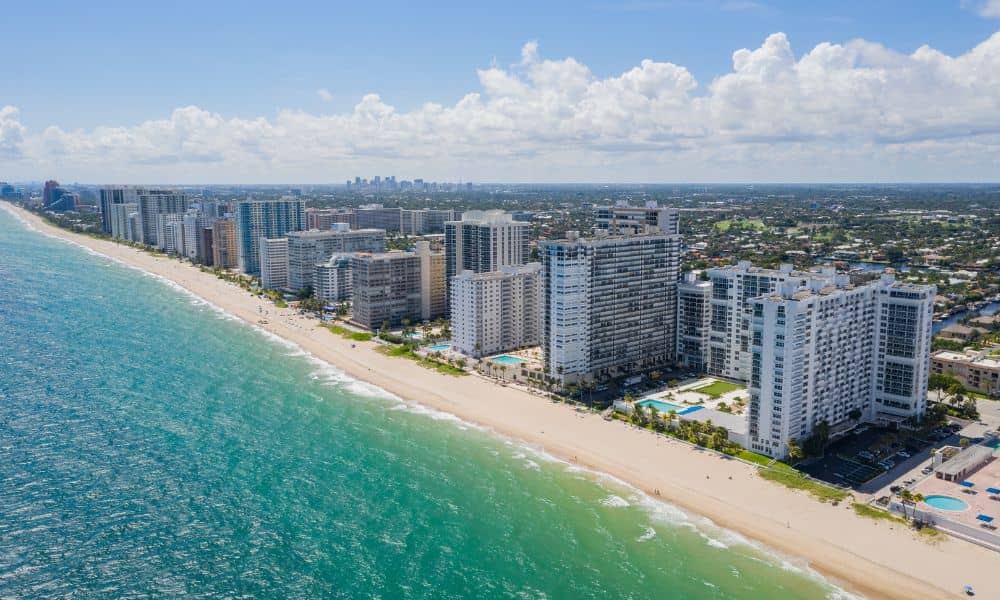
Florida just made a big move that affects anyone who owns, buys, or plans to build near the coast. On December 4, 2025, the Florida Department of Environmental Protection (FDEP) updated its online GIS tool for locating the Coastal Construction Control Line, also known as the CCCL. This tool shows exactly where special coastal rules apply. And because the update makes the maps sharper and more detailed, a lot of waterfront properties may now fall closer to the regulated zone. With rules this strict, you need clear and accurate site data from the start. That’s where drone land surveying becomes essential. It gives you the precise coastal information you need so you can plan safely and avoid surprises during permitting.
What the CCCL Is and Why the Update Matters
The CCCL may look like a simple line on a map, but it controls many decisions along the shoreline. It marks areas where Florida wants extra protection because of erosion, storms, and constant beach movement. If your property sits seaward of that line, you must follow tougher building rules. Even a small mapping mistake can lead to delays, redesigns, or rejected permits.
The updated GIS tool now shows this line with better accuracy. That means the CCCL may appear closer to buildings, seawalls, pools, or future construction zones. For property owners and developers, the change can affect whether a project requires extra steps or special approvals.
How Miami’s Changing Coastline Affects Development
Miami’s coast is always shifting. Beaches rise and fall after storms. Sand moves from one area to another. Dunes change height from season to season. Even a few feet of erosion can affect whether your project needs state approval.
The new FDEP update reflects these natural changes. Because of that, many homeowners and developers now need updated site information that matches the new CCCL boundaries. Relying on an old survey or outdated elevation data could cause major issues later.
Why Drone Land Surveying Matters More Than Ever
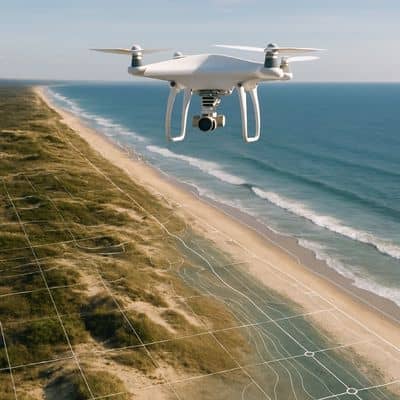
Drone land surveying gives you the level of detail needed to work with the new FDEP maps. While the GIS tool is helpful, it doesn’t replace an accurate survey of your property. It only shows the general boundary. Drones, however, capture real-world conditions with sharp clarity.
Drone surveys produce high-resolution terrain and elevation models. They show dune lines, slopes, and shoreline details that affect whether your project falls inside the regulated zone. They also reveal the exact distance between your structures or planned builds and the updated CCCL, so you can move forward with confidence.
Drone maps support architects, engineers, and planners. Designers need the true shape of your land to meet coastal rules. With accurate terrain data, they can create plans that follow setbacks and avoid issues tied to the CCCL. When everyone works from the same information, the permitting process becomes clearer and more predictable.
Real Miami Scenarios Affected by the New CCCL Update
The FDEP changes create new situations for many coastal property owners.
A homeowner planning a deck or patio might discover the updated CCCL now sits closer than expected. A drone survey shows the exact relationship between the project area and the regulated zone, helping you avoid building where state approval is required.
A buyer looking at a waterfront home may wonder whether future improvements will need special permits. Drone surveys help real estate agents and buyers understand the limits and opportunities of the property.
A developer studying a coastal parcel may find that the buildable area is smaller due to updated dune shapes or erosion. With drone data, developers can adjust site plans before committing to a design.
Architects designing new homes also rely on accurate drone mapping. Setbacks, elevations, and foundation choices all depend on the true shape of the land, especially when the CCCL moves closer to the structure.
How Drone Land Surveying Helps You Stay Compliant
Drone surveys give you accurate, actionable information that ties directly to the updated CCCL map. They help you understand dune height, slope, erosion patterns, and the exact position of your project in relation to regulated areas.
This kind of data is valuable when speaking with engineers, planners, coastal consultants, and reviewers. Everyone can see the same map, which reduces confusion and keeps the process organized. With fresh drone mapping, you avoid guessing and stay ahead of potential issues.
What Waterfront Property Owners Should Do Now
Start by checking your property in the updated FDEP CCCL viewer. Look at where the line sits compared to your home, yard, or project area. If it appears close—or closer than before—order a drone survey. This gives you the current site conditions you need to plan safely.
Share the results with your architect, engineer, or builder so they can design with confidence. Accurate site data saves time, prevents redesigns, and keeps your project moving forward.
Conclusion:
FDEP’s updated GIS tool marks a new era for coastal construction in Florida. It shows that accuracy matters more than ever. As the state improves its maps, landowners must keep their own site data current. Drone land surveying is now the best way to do that.
With clearer rules and sharper mapping, drone surveys help you plan smarter, protect your investment, and move through the permitting process with confidence. Miami’s shoreline is always changing—and now your property plans must keep up.