
Miami is speeding up permits, which sounds like great news if you’re planning to build, fix, or upgrade your property. Most owners expect quicker approvals and faster project starts. But delays haven’t gone away. Projects still get held up, just for different reasons. It’s usually not the city or the contractor. More often, the issue comes from the property itself. Old or missing property data causes problems people don’t expect. Plans don’t always match what’s actually on the ground, and that’s where things start to slow down. In situations like this, talking to a licensed surveyor in Miami often clears things up so the project can move forward.
Faster Permits Change How Delays Happen
In the past, permits took time. If something was off, the review process moved slowly anyway. There was room to fix small issues along the way.
Now the system moves quicker.
That sounds helpful. However, it also means mistakes show up faster. When something doesn’t match or can’t be verified, the process stops right away.
So instead of slow delays, owners now face sudden pauses.
That shift catches many people off guard.
Outdated Property Data Is the Real Problem
A lot of properties in Miami still rely on old records. Some surveys were done years ago, and others don’t reflect changes made over time.
So there’s a gap between what’s on paper and what’s actually there.
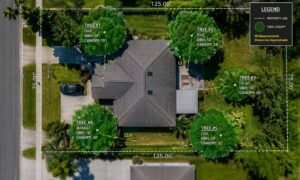
Think about it. A driveway gets extended. A small addition goes up. The ground gets adjusted during a project. Features move around. It’s pretty common.
The problem starts when none of that gets updated. Then the details stop lining up, and that’s when things slow down during permit review.
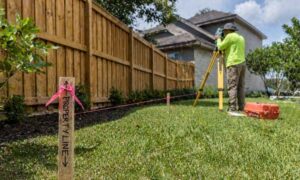
At that point, people usually end up working with a licensed surveyor to figure out what’s really on the property so they can move forward.
Where Projects Start Slowing Down
Most delays don’t show up at the start. They happen once plans go in for review.
Here’s where things begin to break:
A plan shows one layout. The site shows something else.
The city asks for clarification. The owner needs to provide updated information. The project pauses.
This happens with simple projects too:
- Fence installs
- Driveway changes
- Small remodels
- Exterior upgrades
These don’t feel complex. Still, they depend on accurate property details.
When those details are missing or outdated, the process stalls.
Old Surveys Don’t Always Work Anymore
Many owners say the same thing: “I already have a survey.”
That might be true. The issue is whether it still reflects current conditions.
Over time, properties change. Even small updates can affect how the site looks on paper.
Also, requirements change. What worked before may not meet today’s standards.
So an older survey may not be enough during a faster review process.
A licensed surveyor updates that information. That keeps everything aligned before submission.
Faster Systems Expect Better Preparation
Speed sounds like convenience. In reality, it raises the bar.
When reviews move faster, the system expects clean and accurate data from the start.
There’s less room for corrections mid-process.
That means preparation matters more than ever.
Owners who plan ahead move through faster. Those who rely on old information often hit delays.
What a Licensed Surveyor Actually Does Here

This isn’t about paperwork. It’s about verification.
A licensed surveyor looks at the property as it exists today.
They confirm:
- Current layout
- Site conditions
- Changes made over time
- Alignment between plans and real-world details
This step removes guesswork.
It also gives you confidence that what you submit will match what inspectors and reviewers expect to see.
The Real Cost of Skipping This Step
Skipping a survey may seem like a way to save money. In many cases, it does the opposite.
Delays create new problems:
- Plans need revisions
- Contractors wait or reschedule
- Work timelines shift
- Costs increase
None of that comes from the permit system. It comes from missing or unclear information.
A short delay early can turn into a longer delay later.
Why This Matters More in Miami Right Now
Miami is active. Properties change often. Improvements happen all the time.
At the same time, the city is pushing to move permits faster.
That mix creates pressure.
Fast approvals only work when everything lines up from the start. If the data doesn’t match, the system slows down again.
So the focus shifts to preparation.
That’s where a licensed surveyor plays a bigger role today than before.
How to Keep Your Project Moving
Start with accurate information.
Don’t assume older records still apply. Don’t wait for problems to show up during review.
Bring in a licensed surveyor early. Get a clear picture of your property as it stands now.
That simple step helps your plans move forward without surprises.
Final Thought
Faster permits don’t remove delays. They just change where delays happen.
Most slowdowns now come from outdated or missing property data.
If you want a smoother process, make sure your information is correct before you submit anything.
Working with a licensed surveyor early can save time, reduce stress, and keep your project on track.