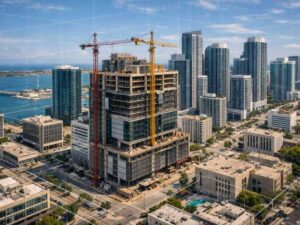
Key Biscayne had a plan to deal with flooding. It looked solid on paper. It had funding. Then it stalled. Parts of it were scrapped. Concerns came up. People pushed back. Work slowed down.
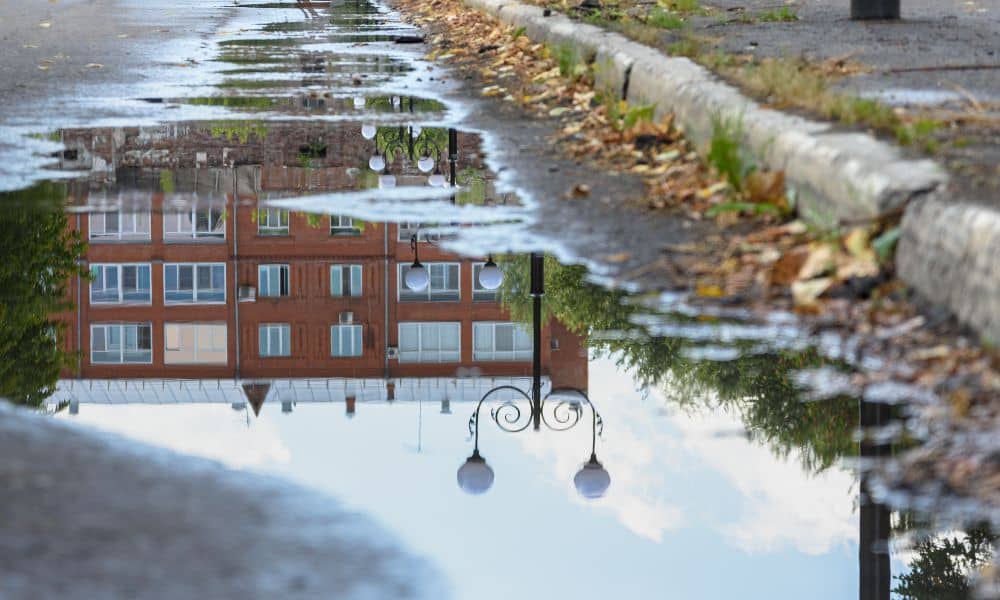
Meanwhile, water still shows up when it rains.
That gap matters. City plans can take years. Some never move forward. But if you own property in Miami, you still have to make decisions today. You might be thinking about a renovation. You might be buying. You might be fixing drainage that already causes problems.
This is where an elevation survey comes in.
It gives you real numbers tied to your property. Not a future plan. Not a guess. Just what’s actually there.
City Plans Don’t Always Protect You Right Away
Large flood projects take time. They go through reviews, redesigns, budget checks, and public input. Even when they start strong, they can slow down or change direction.
That’s what happened in Key Biscayne.
So if you’re waiting for a city project to fix flooding near your property, you could be waiting a long time. Even worse, the final design might not match what was first proposed.
At the same time, your lot stays the same. Water still moves the same way across your yard. Low areas don’t fix themselves.
You still need to act based on what exists now.
Your Property Has Its Own Elevation Reality
City projects focus on roads, drains, and larger systems. That helps at a neighborhood level. Still, your lot has its own shape, slope, and height.
Two homes on the same street can behave very differently during a storm.
One stays dry. The other collects water near the slab.
That difference often comes down to inches.
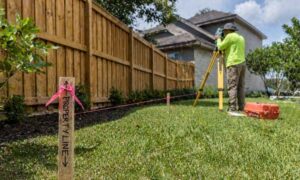
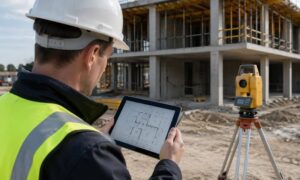
An elevation survey maps those differences. It shows how high your structure sits compared to the ground around it. It shows where water may move or settle.
Without that data, most decisions turn into guesses.
What an Elevation Survey Shows Before You Build or Fix Drainage
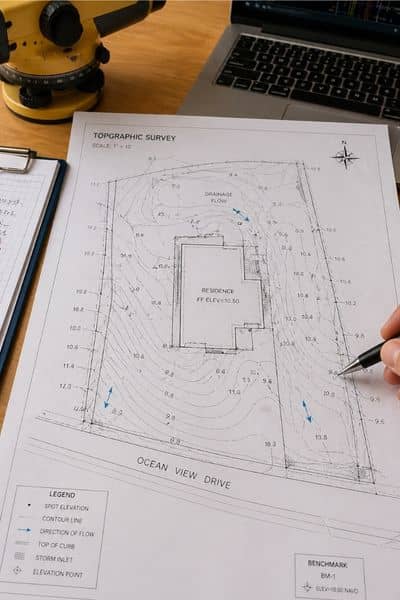
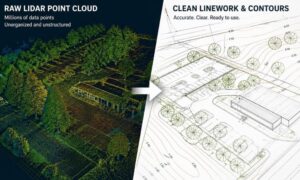
An elevation survey doesn’t just give you a single number. It paints a clear picture of your site.
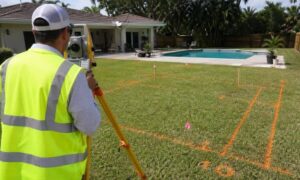
You’ll see the height of the ground at different points around your property. You’ll also see how your home sits compared to those points. That matters when you plan drainage or construction.
It also helps you spot trouble areas early.
For example, a slight dip near the back of the lot may not look serious. During heavy rain, that dip can turn into a problem zone. Water collects, then moves toward the structure.
You won’t catch that by eye alone. You need measured data.
Waiting Can Lead to Costly Mistakes
Many property owners delay work because they expect outside improvements to fix things. That sounds reasonable. Still, it creates risk.
You might install new landscaping, then find out the grading works against you. You might pour concrete in the wrong place. You might design drainage without knowing the actual slope.
Then you redo the work later.
That costs more than getting the right data at the start.
An elevation survey helps you move forward with confidence. You base decisions on facts, not on plans that may change.
Where This Matters Most
This comes up more often than people think.
You plan a home addition. You assume the current height works. It doesn’t. Water starts pooling near the new structure.
You buy a property that looks fine during a dry visit. The first big storm tells a different story.
You try to fix drainage with a quick solution. It fails because the slope runs the opposite direction.
All of these tie back to missing elevation data.
An elevation survey helps before you build, before you buy, and before you fix something that already went wrong.
Small Elevation Changes Have Big Effects in Miami
Miami doesn’t need large elevation swings to create problems. A few inches can change how water behaves.
That’s why guessing doesn’t work here.
Flat terrain can hide subtle slopes. Water may move slowly, but it still moves. Over time, that creates pressure on certain areas of a property.
You won’t see it until it becomes a pattern.
Measured elevation points show that pattern early. Then you can adjust your plans before issues grow.
What Key Biscayne Really Shows
The Key Biscayne situation isn’t just about one project. It shows how complex flood planning can be. Even well-funded work can slow down or change.
That leaves property owners in the same spot as before.
You still need to decide what to do with your property. You still need to plan around water, grading, and structure height.
Relying on a future solution doesn’t help you today.
Elevation data does.
You Control the Data You Use
You can’t control when a city project starts or finishes. You can’t control design changes or public response.
You can control how you plan your property.
An elevation survey gives you a clear starting point. You see what you’re working with. You plan based on that.
That’s how you avoid surprises later.
If you’re dealing with drainage, planning a project, or looking at property, get the elevation right first. It’s one of the few steps that gives you solid ground to work from.