You want a fence. Maybe it’s for privacy. Maybe it’s for security. Or maybe you just want your space to feel like yours.
So you pick a design, call a contractor, and start planning. It feels simple at first. Then the permit process kicks in, and things start to slow down.
A lot of homeowners in Miami run into the same issue. They think they already know where their property line is, so they move forward without checking. Then the permit review comes back with questions.
That’s usually when they realize they should have looked into a property boundary survey in Miami earlier.
Why Fence Permits in Miami Take More Work Than Expected
Building a fence in Miami is not just about putting posts in the ground. The city looks at where the fence sits on your lot.
That includes how close it is to your property line. It also includes how it lines up with your recorded lot.
At first glance, this may seem like a small detail. It isn’t. Even a small mistake can slow down your permit.
Reviewers check your plans carefully. If the fence looks too close to the boundary, they may ask for changes. If the layout does not match official records, they may pause the process.
That’s where many projects start to stall.
Where the Property Boundary Survey Comes In
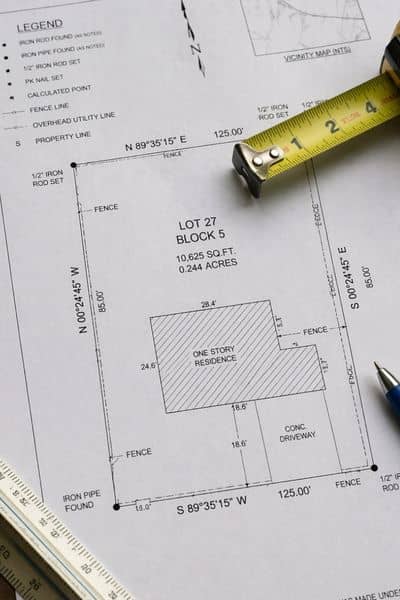
A property boundary survey shows the exact edges of your land. Not a guess. Not a rough estimate. The real, legal lines.
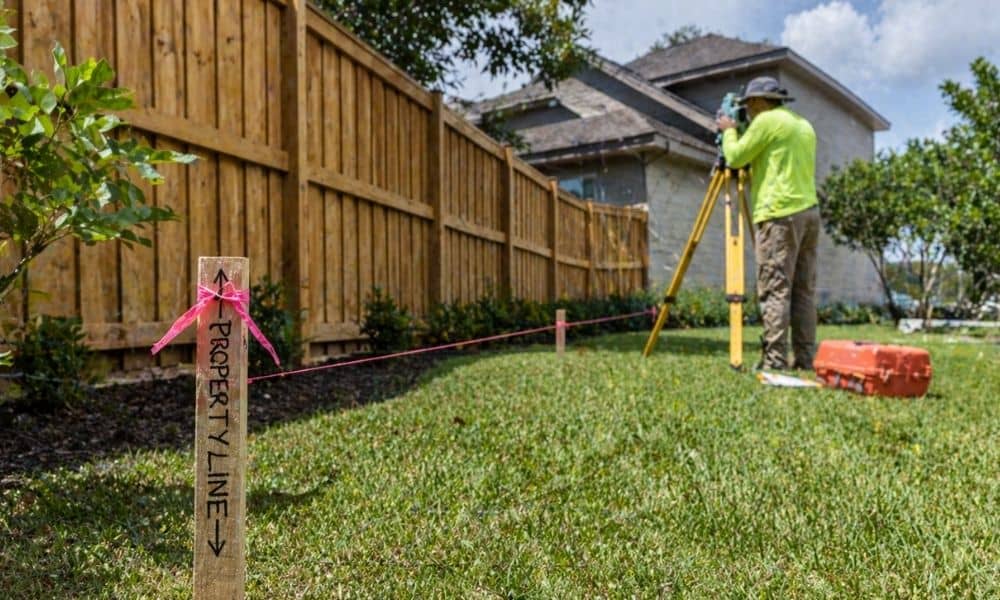
This survey gives you clear points on your property. It shows corners, edges, and any existing features that sit near those lines.
When you submit a permit, your fence plan should match those boundaries.
Without that match, your application can run into trouble.
What Homeowners Often Miss During the Permit Process
A lot of people assume their yard lines are easy to see. They look at a fence next door or a tree line and think that’s the edge.
That assumption causes problems.
Permit reviewers do not go by what looks right. They go by recorded data. If your plan does not line up with that data, they will flag it.
Some common issues include:
- Fence lines drawn too close to the edge without proof
- Plans that don’t match the official lot shape
- Old documents that no longer reflect current conditions
These mistakes don’t just cause small delays. They often send the application back for changes.
Why Rough Measurements Don’t Work
Some homeowners try to measure the yard themselves. A tape measure and a few stakes might seem enough.
It rarely is.
Property lines are not always straight or obvious. Some lots have angles that are hard to see. Others have markers that are buried or missing.
A few inches off might not seem like a big deal. In a permit review, it is.
That small gap can mean the fence crosses into a setback area or sits too close to a neighbor’s line.
Now the plan needs to be fixed before anything can move forward.
How a Property Boundary Survey Helps You Avoid Delays
A survey gives you a clear starting point.
Your contractor can use it to place the fence correctly. Your permit plans can match the actual lot lines. Reviewers can see that everything lines up.
That cuts down on back-and-forth.
Instead of going through revisions, your application moves more smoothly. You avoid guessing. You avoid corrections.
You also avoid last-minute changes after work has already started.
When to Get the Survey
Timing matters more than most people think.
If you wait until after the permit gets flagged, you’ve already lost time. Now you’re fixing something instead of moving forward.
Getting a property boundary survey early keeps things simple.
Before you finalize the fence design. Before you submit your permit. Before materials get ordered.
That way, everything is based on real data from the start.
Why This Step Matters More in Miami
Miami has a mix of lot sizes and layouts. Some homes sit close together. Others have odd shapes or older boundary records.
At the same time, permit reviews are active. Plans get checked. Details matter.
There’s less room for error.
A fence that sits just a little off can trigger a revision. In tighter neighborhoods, even small shifts can affect spacing rules.
That’s why guessing rarely works here.
What a Smooth Fence Permit Looks Like
When everything is done right, the process feels simple.
The survey confirms your property lines. The fence plan follows those lines. The permit gets submitted with clear information.
Reviewers can check the details without confusion.
There are fewer questions. Fewer changes. Less waiting.
Construction can start without surprises.
Final Thoughts
A fence may seem like a small project. The permit process says otherwise.
Most delays don’t come from the fence itself. They come from where it sits on the property.
A property boundary survey clears that up early. It gives you a solid reference before plans get submitted.
If you’re planning to build a fence, starting with accurate boundary data can save time, avoid revisions, and keep your project moving without setbacks.