You’re ready to build a fence. Maybe it’s for a little more privacy, or to keep your pets safe. Everything seems simple—until your neighbor mentions the fence might be on their property. That’s when you start second-guessing yourself.
In Miami, this kind of thing happens more than you’d think. Houses are close together, and land is expensive. Even a small misstep can turn into a big headache. Most of the time, the problem comes down to one thing: property line markers.
Before you grab your shovel or call the contractor, it really helps to know how to locate property line markers. Understanding where your boundaries actually are can save you a lot of stress and prevent arguments down the line.
Now that we know why markers matter, let’s go over what you need to check before you start building your fence.
Why Property Line Markers Matter More in Miami
Miami isn’t like rural areas where properties stretch wide and open. Here, homes are close together, and even a few inches can make a big difference.
Building a fence might seem simple—you want privacy, maybe to keep pets safe—but it’s more than just putting up wood or metal. You’re making a permanent change along a boundary. If the line is even slightly off, it can lead to neighbor complaints, permit headaches, or even having to take the fence down and start over. Some people end up paying twice: once to build, and again to fix mistakes.
That’s where property line markers come in. They show exactly where your land begins and ends. Taking the time to really get a handle on understanding property line markers can save you a lot of stress. It gives you confidence that your fence is in the right place, keeps neighbors happy, and protects your investment.
What Property Line Markers Really Look Like in the Field
Many homeowners expect property markers to be obvious. However, that’s rarely the case.
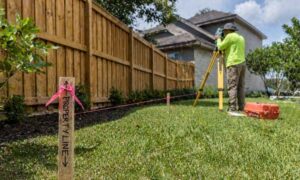
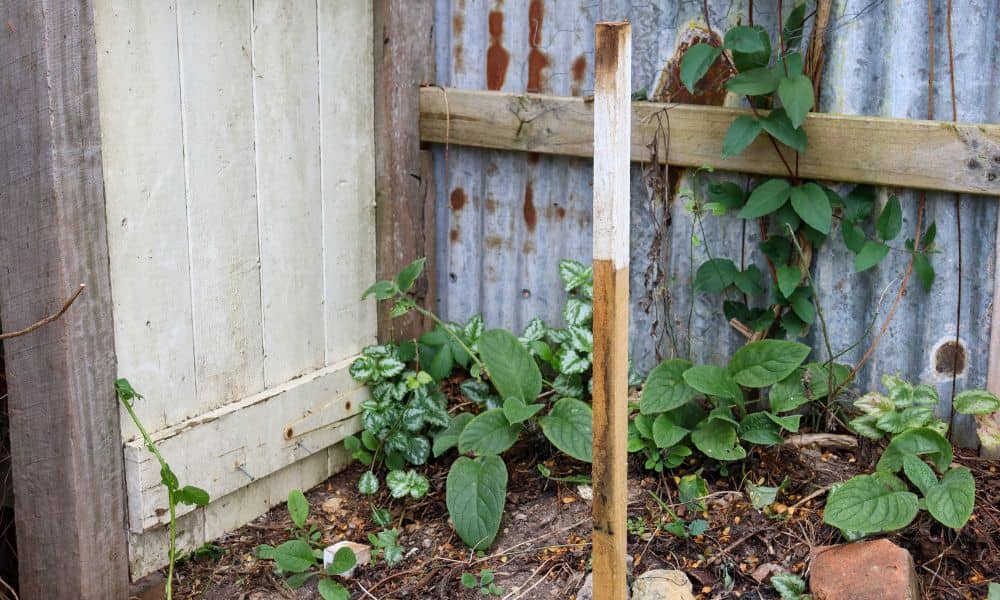
In reality, most markers are simple and easy to miss. They may be small metal rods driven into the ground or caps placed by a surveyor. Over time, grass grows over them, soil shifts, and landscaping hides them.
Because of this, people often rely on what they can see—like fences or edges of yards. But those visual clues are not always correct.
In fact, some fences were built years ago without proper verification. Others may have shifted or been replaced without checking the true line. So even if something looks straight or aligned, it does not mean it matches the actual boundary.
That’s why finding property line markers takes more than a quick glance. It requires careful checking and the right information.
How to Verify Property Line Markers Before You Build
Before you start any fence project, you need a clear understanding of your boundary. The best place to begin is with your property survey.
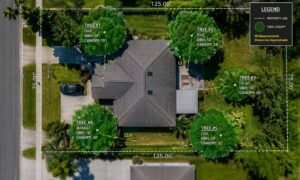
Most homeowners receive a survey during the buying process. This document shows the shape of the lot, the corners, and the measurements between each point. It acts as a map of your property, and it should match the location of your markers.
Once you review the survey, you can step outside and look for those same points on your land. Focus on the corners first. These are the most important locations, and they usually define the entire boundary.
However, you may not see anything right away. That’s normal. In many cases, markers sit just below the surface. Grass, dirt, and debris can cover them over time. Because of that, homeowners often need to look closely or gently clear the area.
At the same time, it helps to use online maps from Miami-Dade as a general guide. These tools give you a visual layout of your property. Still, they are not exact. They should only support what your survey shows, not replace it.
As you go through this process, pay attention to anything that doesn’t line up. If your survey shows one thing but your yard suggests another, that’s a sign to pause. The same applies if you cannot find any markers at all.
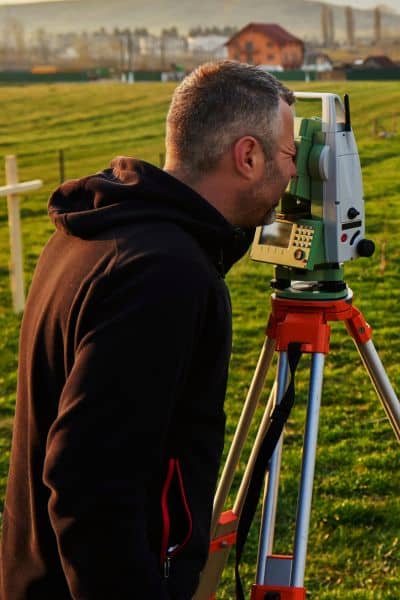
In those situations, it’s best to bring in a professional. A surveyor can locate or reset property line markers with accuracy. More importantly, they provide legal confirmation of your boundary, which protects you if questions come up later.
Why Guessing the Property Line Often Leads to Problems
It’s tempting to rely on what seems “close enough.” Many homeowners assume that an existing fence marks the true boundary. Others trust online maps or follow the edge of their lawn.
However, these shortcuts often lead to mistakes.
For example, a fence that looks straight may have been placed incorrectly years ago. If you follow that same line, you repeat the error. Over time, these small shifts can create bigger disputes between neighbors.
Another common issue happens when homeowners skip proper verification and move forward with construction. At first, everything looks fine. Then later, a neighbor checks their survey or hires a surveyor. Suddenly, the boundary becomes a problem.
Now the fence must be adjusted or removed. That means extra work, extra cost, and unnecessary stress.
Because of this, relying on property line markers—not assumptions—is always the safer choice.
What Happens When Property Lines Are Not Verified
When boundaries are unclear, small projects can turn into serious issues.
Imagine building a brand-new fence, only to find out part of it sits on your neighbor’s land. Even if the mistake is small, it still matters. Property lines are legal boundaries, not flexible ones.
In many cases, the homeowner must remove or relocate the fence. That means paying for labor, materials, and time all over again. On top of that, tension with neighbors can grow quickly, especially when both sides believe they are right.
All of this can be avoided by checking property line markers before construction begins.
When It’s Time to Call a Surveyor
There are moments when a simple check is not enough. If you cannot find your markers, or if the information you have does not match what you see, it’s time to take the next step.
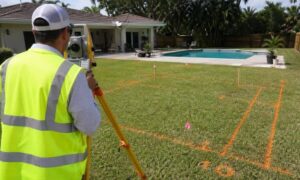
A licensed surveyor has the tools and training to locate exact boundary points. They don’t rely on guesswork. Instead, they use measurements, records, and physical evidence to confirm the line.
This is especially important in Miami, where small errors can lead to big consequences. Whether you’re building a fence, adding a structure, or simply want peace of mind, a professional survey can give you clear answers.
Final Thoughts
Building a fence should improve your home, not create problems. However, that only happens when you start with the right information.
Property line markers may seem like a small detail, yet they play a big role in every outdoor project. They define your space, protect your investment, and help you avoid conflict.
So before you move forward, take a moment to verify your boundary the right way. A little extra effort now can save you time, money, and stress later.