Buying a home in Florida can feel like riding a roller coaster — especially in Miami, where deals can rise and fall with the tides. One of the most overlooked parts of a property sale is the loan closing survey, a requirement from most lenders to make sure what’s on paper matches what’s actually on the ground. It sounds routine, but when it goes wrong — like when your survey is “too old” — it can throw your entire closing into chaos.
The Sudden Panic Before Closing
Picture this: you’ve done the inspections, signed the title paperwork, and even wired your down payment. Then, just days before closing, your lender calls. “We can’t approve the loan until you get an updated loan closing survey.”
It happened recently to a Miami homebuyer who shared their frustration on Reddit. Their old survey was from 2020 — “still accurate,” they thought. But the lender disagreed. That post struck a chord, with dozens of users chiming in about the same nightmare: delayed closings, last-minute survey rushes, and unexpected fees.
In coastal cities like Miami, that situation isn’t rare. Land changes faster here — new driveways, fences, and drainage adjustments can all make an old survey unreliable. Add in rising water levels and FEMA flood map updates, and it’s easy to see why lenders demand fresh data.
What a Loan Closing Survey Actually Does
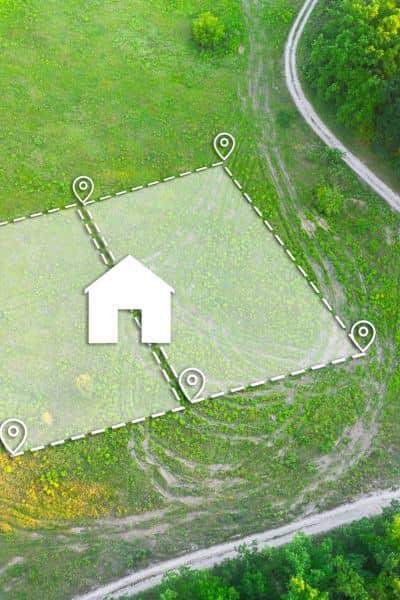
A loan closing survey is more than a formality. It’s the lender’s way of confirming that the property boundaries, improvements, and legal descriptions all match what’s being financed.
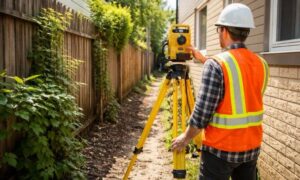
A licensed land surveyor visits the site and measures:
- The exact property lines and corners.
- Locations of houses, garages, pools, or sheds.
- Easements, encroachments, and possible boundary issues.
In Miami-Dade County, where lots are small and homes are packed close together, even a few inches can cause problems. A fence or wall that crosses into a neighbor’s yard could block title insurance or trigger a lender’s rejection.
Why Older Surveys Fail
You might wonder, “If nothing’s changed on my property, why do I need a new one?” Here’s why old surveys often fail — especially in South Florida:
- Frequent property updates. Adding patios, driveways, or new additions changes the property layout.
- Erosion and drainage shifts. With recurring king tides and heavy rains, ground elevations shift subtly, affecting how water flows.
- Flood zone reclassification. FEMA updates its maps regularly, and a property once outside the flood zone could now be at higher risk.
- Title and lender policies. Most lenders won’t accept surveys older than one year, and title companies rely on current data to issue insurance.
These are practical, not bureaucratic, reasons. Miami’s coastal terrain evolves fast — and so does the paperwork behind it.
Lessons from Real Homebuyers
The Reddit post wasn’t just a rant — it became a real-time lesson. Some users shared how they saved their deals by contacting a local surveyor immediately. Others warned that out-of-town survey companies caused delays or sent outdated files.
A few homeowners said they learned to keep digital copies of all survey documents, so updates could be completed faster. One user even shared how their surveyor used drone surveying to map the property in a single afternoon — a big time-saver when you’re days from closing.
The lesson: in a fast-moving market, acting early is everything.
How to Avoid the Same Stress
The best way to prevent last-minute surprises is to plan for them early. When your agent says you’re “under contract,” schedule the loan closing survey right away. That gives surveyors enough time to coordinate with the title company, check any new FEMA updates, and mark the boundaries correctly.
Ask these simple questions up front:
- When was the last survey done?
- Will the lender accept it?
- Have there been any property improvements since then?
It’s also smart to choose a local surveyor familiar with building patterns and flood zones. They’ll know, for instance, that a simple backyard deck might change how drainage interacts with the street — and that detail could matter to your lender.
The Fix: Getting It Done Fast
If you’re already in that panic moment, don’t lose hope. Surveyors often offer rush options, completing work within 48–72 hours for an added fee. Many now use drone mapping and GPS tools to capture accurate data quickly, even in tight urban neighborhoods.
Send your surveyor any old survey records, property appraiser info, or site plans you have. These can speed up the verification process. Once the new survey is complete, have your title company forward it directly to your lender. That avoids more back-and-forth emails during the final review.
Flooding and Insurance Complications
Here’s another reason lenders get strict: flooding. King tides and record rainfall have increased flood risks across South Florida. Even if your house isn’t on the waterfront, drainage patterns can change fast.
If your property’s elevation is lower than surrounding homes, lenders may require a new Elevation Certificate along with the loan closing survey. This helps them assess risk and ensures your flood insurance matches current FEMA data.
That’s why keeping your survey updated isn’t just a closing task — it’s part of protecting your home investment long-term.
Wrap-Up: Turn Panic into Preparation
For buyers, especially around Miami, loan closing surveys aren’t just paperwork — they’re peace of mind. They show that your boundaries are solid, your improvements are documented, and your lender is confident in the property’s value.
So if your survey’s collecting dust from a few years ago, don’t wait for a Reddit-style meltdown. Order a new one early, before it becomes urgent. In a region where sea levels, flood maps, and real estate rules keep shifting, up-to-date surveys protect your closing — and your sanity.
A smooth closing starts with solid ground — literally. Make sure your next step in real estate is backed by a current, accurate loan closing survey.