

If you live in Miami, you’ve probably heard about the Coral Way rezoning fight. A property owner at 7945 SW 24th St wants to change the zoning from RU-1 (single-family) to RU-5A (semi-professional office). Neighbors pushed back, worried it will bring more traffic, more noise, and a slow shift away from the quiet feel of the area. The debate reached the Miami-Dade County Commission and even made it onto CBS Miami. This story got attention fast, but it highlights something most people overlook: a property survey. You see it at closing, then forget about it. Yet it sits at the center of almost every rezoning request, development proposal, and land-use decision that could change your neighborhood. And in Miami, where growth moves quickly, knowing how your survey works gives you a huge advantage.
How the Coral Way Fight Started
The issue looks simple at first. A homeowner wants to change the use of a single lot. But rezoning isn’t only about one property. A new zoning type can open doors for future offices, clinics, or commercial spaces on a whole block. That’s why residents spoke out. They feared this one change could set a new direction for their street.
Behind the scenes, the county didn’t start by looking at opinions or emotions. They started by looking at the survey. Before anything else, planners need to know:
- How big the lot is
- How wide it is
- How deep it is
- Where access points sit
- Whether it meets the minimum requirements for the new zoning
Every one of those details comes from the property survey—nothing moves without it.
Why Rezoning Always Starts With the Survey
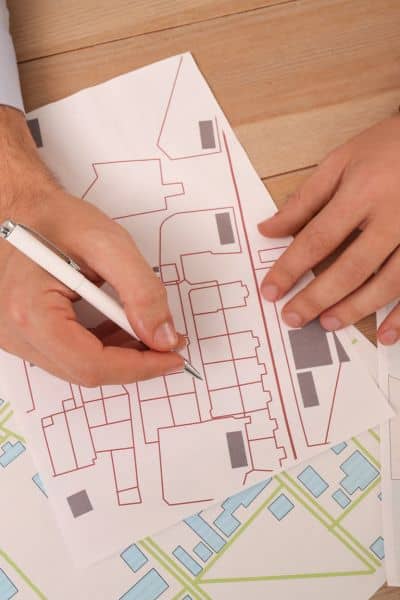
A rezoning request is basically a math and measurement exercise. The county checks the survey first because it reveals what the land can hold.
A survey shows the exact lot size, which tells the county if the property qualifies for RU-5A. It also shows setbacks, which hint at how large a building footprint could be. And because RU-5A often needs parking and clear access, the survey helps the county see if the lot can even handle the new use.
Most homeowners never connect rezoning to their own property survey, but both tell a story about what is possible in your neighborhood. That’s why this Coral Way fight matters far beyond one address. And when you’ve taken the time to get your land properly documented, it becomes much easier to see how zoning rules fit your lot and how changes around you might shape your street in the years ahead.
RU-1 vs. RU-5A: What Your Survey Has to Do With Zoning
RU-1 zoning allows single-family homes. Streets stay quieter, buildings stay low, and traffic stays manageable. RU-5A is different. It opens the door to offices, labs, clinics, and professional services.
If the county approves RU-5A, the survey becomes the map for future site plans. It guides how:
- Driveways connect to the street
- Cars enter and exit
- Parking spaces fit
- The building sits within the lot
- Landscaping or buffers must work
So while zoning codes look like words and rules, the property survey turns them into a real layout. When neighbors worry about change, what they’re really worried about is how the rules will use that exact lot shape to allow something larger.
The Quiet Strategy Behind Many Developments: Assemblage
Something else sits beneath the Coral Way debate: assemblage. Developers love to buy two or three lots next to each other. When combined, they can build bigger projects.
How do they spot the best targets? Again… the survey.
A property survey shows how parcels line up. It shows where combining two lots might create a wide enough footprint for a bigger building or shared parking. It also shows corner access, which developers love because it offers more entry options.
When one rezoning request appears on a block, it usually means the area already shows signs of assemblage potential. Coral Way, Bird Road, Flagler Street, and Kendall Drive all have this pattern. A single rezoning is often the first public signal.
What Your Own Survey Can Reveal About Your Block
Most homeowners pull out their survey only when selling or remodeling. But it can actually reveal a lot about how your block might change over time. And because surveys can be a little technical, many people end up searching for “land survey companies near me” when they want someone to walk them through what all the lines and measurements actually mean.
Once you understand how to read it, a few things start to stand out.
Lots of shapes that attract developers. Long or deep lots tend to catch a developer’s eye because they leave room for parking or future additions. When several lots on the same block have these shapes, the area becomes much more attractive for redevelopment.
Neighboring parcels that fit together perfectly. Your survey also reveals how your lot connects with the ones next door. If the pieces line up neatly, the entire block becomes a natural fit for assemblage—where multiple lots get combined for a larger project.
Corner properties with extra access. Corner lots offer two access points, which surveys show clearly. Because of that flexibility, developers often start with corners and work their way inward.
The Coral Way rezoning request didn’t appear out of nowhere. The surrounding lot shapes and how they align already hint at the potential for future office or commercial uses. Surveys highlight those patterns long before any official announcement is made.
How to Use Your Survey Before Development Reaches Your Street
Most homeowners feel blindsided when a major development gets proposed next door — but you don’t have to wait for a surprise notice in the mail. Your property survey can actually help you understand your neighborhood’s long-term direction.
Start by reviewing your documents. Pull out your closing folder or digital files and look at your property survey. It shows your exact lot shape, setbacks, easements, and access points. These details reveal what can be built on your land and on the surrounding parcels.
Next, compare it with the Miami-Dade zoning map. Visit the county’s zoning viewer, enter your address, and check your zoning category. If your home is zoned RU-1 but a nearby corridor has RU-5A, T-mixed-use, or higher-density zoning, you may be sitting on the “edge” where redevelopment typically begins.
Keep an eye out for early signals. Big changes often start quietly in Miami neighborhoods. You may see multiple “For Sale” signs on one block, developers approaching homeowners, several neighbors selling to the same company, or new surveys being ordered for lots around you. These clues usually appear long before an official rezoning notice.
Use your survey to ask the right questions. When a rezoning is proposed, your survey helps you evaluate real zoning impacts—not emotional arguments. Ask whether the new project will need access through your street, if the lot meets the minimum width for the requested zoning, or if parking and building placement will push activity closer to your home.
Understanding your survey today gives you an early advantage tomorrow—especially in fast-changing areas across Miami.
Why Understanding Your Survey Gives You More Control
Miami is growing. Corridors are changing. And rezoning will continue happening across the county. You can’t stop growth, but you can understand how it affects you.
Your property survey isn’t just a boundary map. It’s the key that shows what your lot—and your block—can become. When you learn how it connects to zoning, setbacks, and development patterns, you stop reacting and start planning.
The Coral Way fight is a reminder that development rarely shows up without warning. The clues sit in plain sight on the same survey you already own.
If a rezoning or development ever hits your street, knowing how to read your survey helps you stay informed, protect your home’s value, and speak confidently about changes coming to your neighborhood.