Commercial property in Miami often looks simple at first. You see a working parking lot, steady traffic, and buildings that have operated for years. Because of that, many buyers assume the legal side must be simple too. However, once a deal starts, questions begin to appear. What land is truly owned? What areas get used but are not legally granted? Are limits hiding in the records? That is where an alta land title survey becomes important. Its real value is not just drawing lines. Instead, it confirms facts that buyers often assume instead of checking.
Why Confirmation Matters More Than Measurement
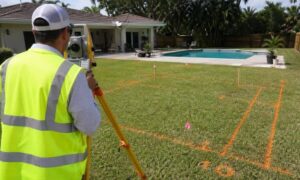
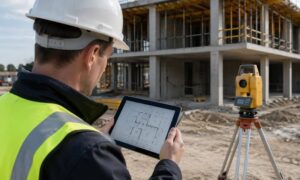
Many people think surveys are mostly about measurements. Accuracy matters, but confirmation matters more. An alta land title survey connects what exists on the ground with what appears in legal records. Because of that, everyone works from the same information.
In Miami, commercial sites often change over time. Long-term use does not always mean legal right. This survey helps make that difference clear early.
Confirming What You Truly Own
One of the first things an alta land title survey confirms is ownership. This sounds simple, yet it often surprises buyers.
Many commercial sites use areas that feel like part of the property. These may include drive lanes, service areas, or parking that blends into nearby land. Over time, this use feels normal. Still, ownership follows recorded boundaries, not habits.
By confirming the true limits, the survey helps buyers know exactly what they are buying.
Confirming Shared Access and Cross-Use Rights
Many commercial properties depend on shared access. Shopping centers, office parks, and warehouses often rely on cross-access between parcels.
An alta land title survey confirms whether those access rights are recorded. Sometimes access exists only because no one has questioned it. Other times, written agreements protect it.
This confirmation matters because buyers and future tenants need legal access, not informal use.
Confirming Easements That Affect Changes Later
Easements are not always easy to spot. Some run through parking areas. Others sit under pavement or along edges. Because of this, site visits often miss them.
An alta land title survey confirms where these easements exist and how they affect use. Drainage, utility, and access easements can limit expansion or layout changes later.
When buyers understand these limits early, they can plan with confidence.
Confirming That Improvements Match the Records
Buildings, pavement, walls, and signs all take up space. Over time, small shifts happen. A wall moves slightly. A dumpster pad grows. A sign sits closer to a boundary.
An alta land title survey confirms whether these improvements match legal records. Even small differences matter during review. Buyers and title companies want clear alignment.
By confirming this early, the survey helps avoid delays near closing.
Confirming Encroachments That Do Not Look Serious
Encroachments are not always fences crossing lines. On commercial sites, they often involve features that seem harmless.
Canopies, awnings, retaining walls, and paved areas may cross boundaries without notice. Neighbors may not care today, but these conditions still affect the title.
An alta land title survey confirms where these features sit. This helps buyers understand risk instead of guessing.
Confirming Multi-Parcel Conditions
Many commercial sites operate across more than one parcel. Owners often treat them as one property, even though records say otherwise.
An alta land title survey confirms how parcels relate to each other. It shows gaps, overlaps, or shared features that matter during refinancing or redevelopment.
This clarity helps buyers avoid surprises later.
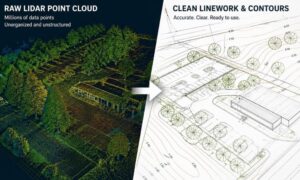
Turning Legal Language Into Clear Maps
Title commitments list exceptions using legal language. For most buyers, that wording feels hard to understand.
An alta land title survey confirms how those exceptions appear on the site. By showing them on a map, the survey makes the information easier to grasp.
As a result, buyers can see limits clearly instead of guessing.
What an ALTA Land Title Survey Does Not Do
It is also important to be clear about limits. An alta land title survey does not grant rights or remove easements. It does not fix disputes.
Instead, it confirms existing conditions. That clarity helps buyers and advisors decide next steps. The survey shows risk, but it does not create it.
Why These Confirmations Matter Before Decisions
Assumptions affect decisions. When buyers assume access or flexibility without confirmation, they risk overpaying or planning too much.
That is why many buyers take time to review these details carefully, often with help from commercial ALTA survey services, before final numbers and plans are set.
Final Thoughts
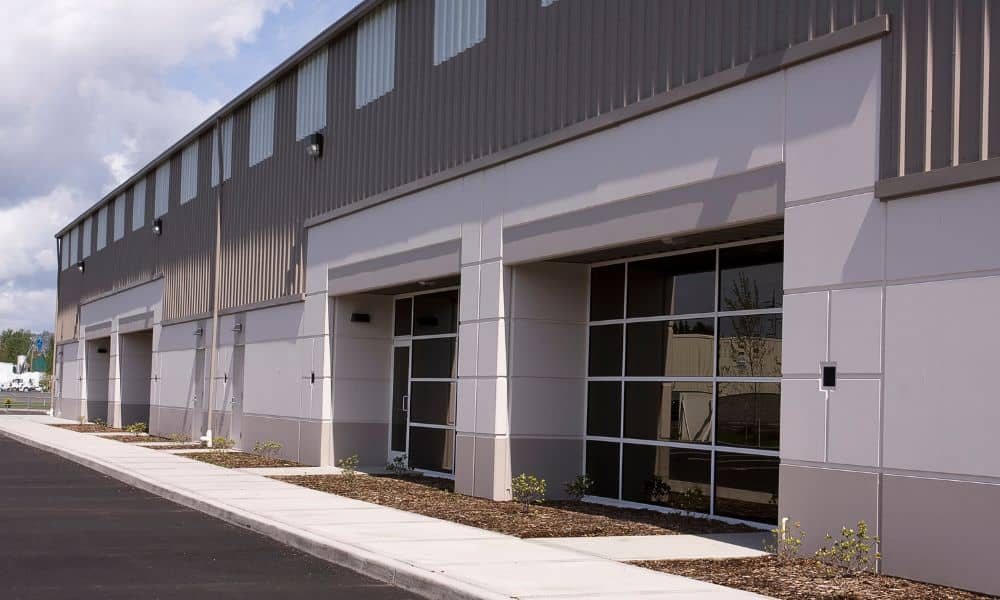
Commercial property may work well on the surface. Still, legal reality lives in records, not routines. An alta land title survey connects those records to real conditions on site.
For commercial deals, certainty matters most. With clear confirmation, buyers move forward with confidence instead of assumptions.