Top 5 Benefits of LiDAR Mapping for Real Estate Project in Miami

Miami is one of the fastest-growing cities in the U.S. With new condos, homes, and mixed-use buildings popping up everywhere, developers and real estate professionals need tools that help them move quickly—but also make smart decisions. One tool that’s becoming more and more popular is LiDAR mapping.

If you’re working on real estate projects in or around Miami, here are five major reasons why LiDAR could be your new best friend.

1. Accurate Site Analysis from the Start

Before you build anything, you need to understand the land you’re working with. Is the lot sloped? Are there dips or high spots that could cause drainage problems? LiDAR scans give you a super-detailed 3D map of the area, showing every bump and curve in the ground.

This helps you plan smarter from the very beginning. You’ll know where to build, what to avoid, and how much work the land might need—before you even break ground.

2. Faster Approvals and Easier Permits

In a city like Miami, where zoning and environmental rules can be strict, having the right data can speed things up. LiDAR data can help support your permit applications, environmental assessments, and engineering reports.

With solid elevation and terrain data in hand, city officials and agencies are more likely to approve your project faster—saving you time and stress.

3. Lower Risk and Fewer Costly Surprises

Every real estate project comes with risk. Maybe the ground isn’t as flat as you thought, or a nearby wetland shifts your building plans. LiDAR helps spot those issues early, so you’re not making last-minute changes that eat into your budget.

It’s a simple rule: the better the data, the fewer the surprises. And fewer surprises mean a smoother project.

4. Better Design and Planning

LiDAR data isn’t just for surveyors—it helps architects and engineers too. The 3D maps it produces can be added to planning software, helping design teams see how buildings will fit into the land. From grading and drainage to building height and layout, LiDAR makes everything more precise.

That means better results—and fewer do-overs.

5. Helps You Manage Flood Risk

Miami is a coastal city. With sea levels rising and hurricanes becoming more intense, flood risk is a serious concern. LiDAR mapping helps show exactly where water might collect or flow during storms.

This is key for staying in line with FEMA rules, getting flood insurance, and keeping your future buildings—and buyers—safe. If you’re submitting paperwork for a LOMA or LOMR, LiDAR data can make the process much easier.

Real Results for Miami Real Estate
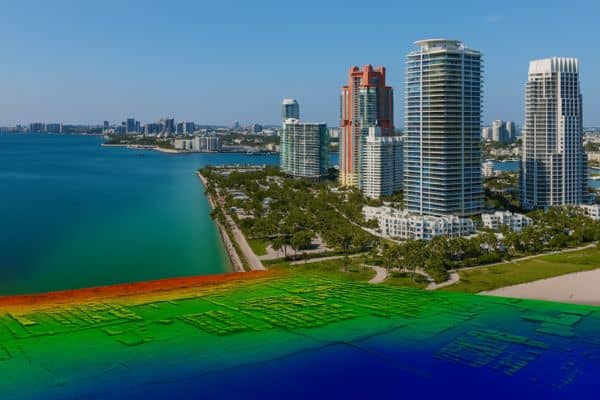
lidar mapping miami fl

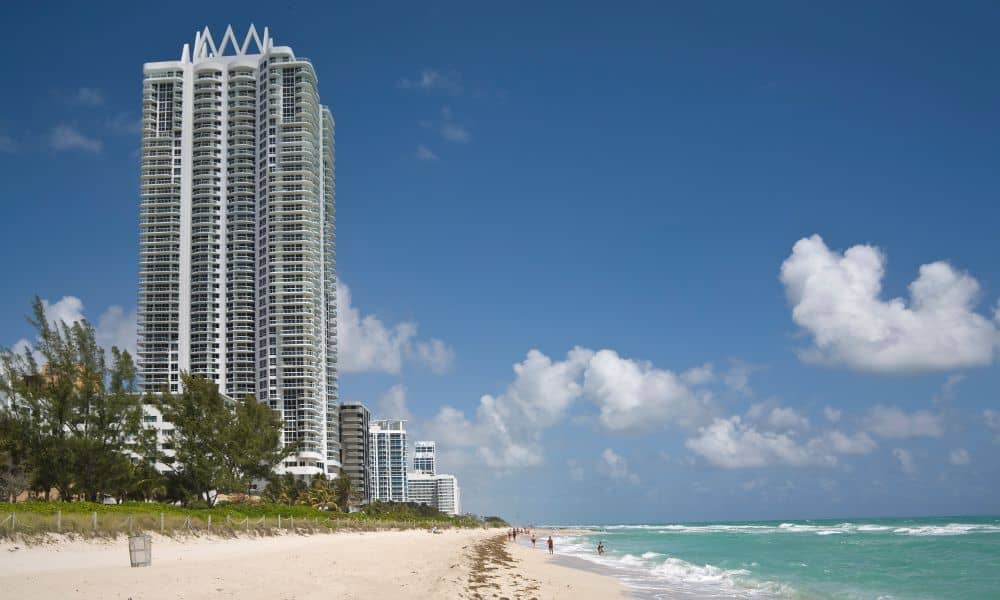
Whether you’re planning a luxury condo near Biscayne Bay or a new community inland, accurate site data is essential. LiDAR mapping in Miami, FL is becoming the go-to choice for real estate developers who want to save time, reduce risk, and make smart, informed decisions.

Final Thoughts

Real estate in Miami moves fast—but that doesn’t mean you should skip the details. LiDAR mapping offers a clear view of the land, helping you build smarter, safer, and more efficiently.

If you’re starting a new project, talk to a local LiDAR expert before breaking ground. It might just be the smartest move you make.

author avatar
Surveyor

More Posts

Surveyor performing a topographic survey on a narrow residential lot near the street
land surveying
Surveyor

What Makes a Topographic Survey Permit-Ready?

If you own a small lot in Miami, you already know space feels tight. Homes sit close together. Streets slope in different directions. Stormwater rules stay strict. Because of that, your project leaves little room for mistakes. That’s exactly why a topographic survey must do more than show a few

Read More »
Developer reviewing a 3D terrain model on a laptop during a planning meeting, illustrating lidar mapping for land development decisions
land surveying
Surveyor

Lidar Mapping Is Becoming a Data Marketplace

Miami moves fast. Land sells quickly. Investors want answers now, not weeks later. Because of this pressure, developers always look for tools that help them decide faster. Recently, lidar mapping has started to change in a big way — and many people in real estate have not noticed yet. For

Read More »
Aerial view of waterfront homes highlighting mapped flood zone areas where a land survey company verifies elevation and property boundaries
land surveying
Surveyor

Flood Map Changes? Why You Need a Land Survey Company

If you live in Miami, you already know that flood zones matter. However, recently, flood map data has become easier to see and share during real estate searches. Because of that change, more buyers and sellers now feel nervous before a deal even reaches closing. Today, one screenshot of a

Read More »
Wooden fence between two homes highlighting clear land survey property boundaries in a residential neighborhood
boundary surveying
Surveyor

Land Survey Property Boundaries: What a Lawsuit Revealed

A recent high-profile boundary lawsuit caught national attention. Neighbors accused a public official of claiming part of their land after a fence went up along a disputed line. The case spread quickly online because it touched on something personal—property rights. Although the lawsuit happened outside Florida, the lesson feels close

Read More »
Land survey equipment set up at a residential development site as more owners search for land surveyors in my area
land surveyor
Surveyor

Why More Owners Search for Land Surveyors in My Area

If you follow local news in Miami, you’ve probably seen the recent fight over land development. A proposed expansion near protected areas sparked strong reactions. County officials stepped in. Neighbors raised concerns. Environmental groups pushed back. Developers defended their plans. At first glance, it looked like a political debate. However,

Read More »
Surveyor measuring coastal elevation levels to assess high-tide flooding risk
land surveyor
Surveyor

Surveyor Explains High-Tide Flooding and Elevation Surveys

If you live near the coast, you’ve probably seen it happen. The sky looks clear, there’s no storm, and yet the street starts to flood. Water pushes up through drains, edges over curbs, and creeps into low spots. This is high-tide flooding, and in Miami it shows up more often

Read More »