Selling a home in Miami is exciting. But in this city, closing the deal isn’t just about the ocean view or the granite countertops. It’s also about proving your property is ready for whatever Mother Nature sends your way. That’s where the FEMA Elevation Certificate comes in.
In Miami, we know the weather can change quickly—sunshine in the morning, heavy rain by the afternoon, and hurricane season reminders that we live in a coastal paradise with real flood risks. If your buyer doesn’t see proof of your home’s elevation, they could face higher flood insurance costs, frustrating delays, or even second thoughts about buying.
The good news is that handing over your FEMA Elevation Certificate at the right time protects the buyer, speeds up your sale, and makes your property stand out in Miami’s competitive housing market.
What a FEMA Elevation Certificate Means
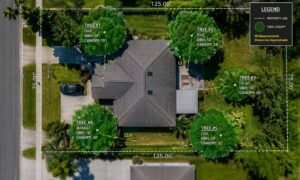
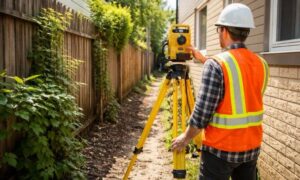
A FEMA Elevation Certificate is more than just a form. It’s the property’s official “flood risk profile.” A licensed land surveyor measures and records your home’s height in relation to FEMA’s base flood elevation.
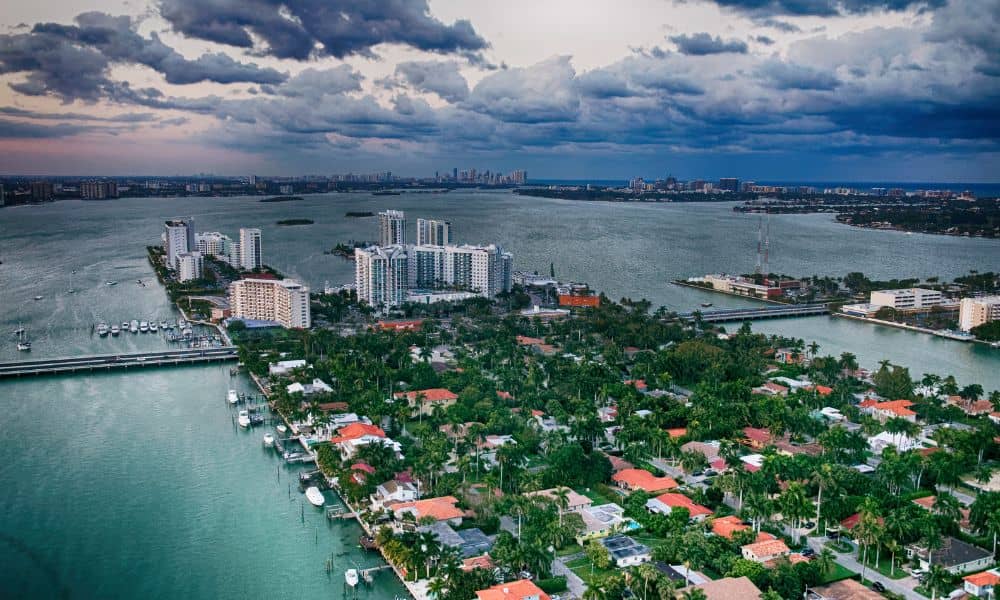
In Miami, where neighborhoods like Coral Gables, Coconut Grove, and Miami Beach have different flood zones, this number can be a big deal. It may be the difference between paying hundreds or thousands for annual flood insurance. For buyers, it’s the truth in black and white. For sellers, it’s a sign of transparency that keeps deals moving.
Why Transferring Your FEMA Elevation Certificate Matters
In Miami’s fast-paced market, buyers want information right away. Transferring the FEMA Elevation Certificate during the sale saves them from the hassle of ordering a new one, which could take weeks. It also helps them get accurate flood insurance quotes immediately—sometimes at much lower rates.
Even better, having this ready before they ask shows you are prepared and trustworthy. In hot neighborhoods, that level of readiness often tips the scale in your favor.
How to Make the Transfer Smooth
First, track down your FEMA Elevation Certificate. If you can’t find it, your surveyor or the Miami-Dade County floodplain management office may have a copy. If you need an updated version, work with a company that offers professional land surveying in Miami so you get accurate, FEMA-compliant results the first time.
Once you have the document, include it with your closing paperwork. Doing this early cuts down on last-minute questions, lender holdups, and stressful closing day surprises.
Miami’s Unique Challenges
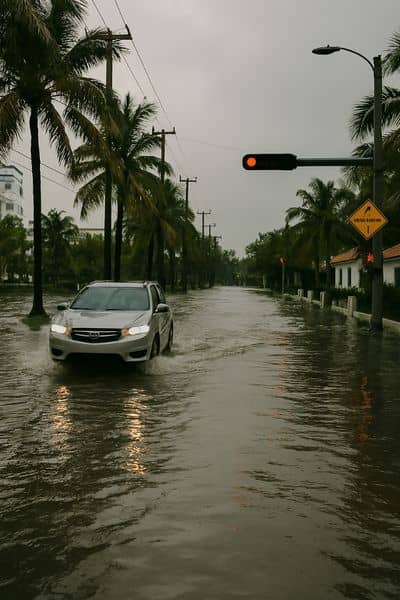
Flood zone maps in Miami are not fixed—they change over time. A certificate from a decade ago may no longer match current flood zone data. This could cause your buyer to pay more for insurance or face coverage issues. Updating the FEMA Elevation Certificate before selling prevents these problems.
Also, many Miami properties, especially older ones, pass through several owners. As a result, important documents can get lost. Taking a proactive approach saves time and avoids headaches.
Why Buyers Love Getting It Right Away
In Miami, the sooner buyers have the FEMA Elevation Certificate, the sooner they can:
- Lock in the correct flood insurance rate.
- Plan renovations without running into permit problems.
- Feel confident about investing in the property.
That peace of mind often turns a hesitant shopper into a committed buyer.
Final Thoughts
In Miami real estate, a FEMA Elevation Certificate is like a hidden advantage most sellers overlook. It’s not flashy like a kitchen remodel or a water view, but it can be the deciding factor that makes a buyer say “yes.” When you transfer it early, you’re not just handing over a document—you’re giving buyers confidence, avoiding delays, and keeping the deal on track.
If you’re selling in South Florida, don’t leave this to chance. Work with a land surveying company in Miami that understands FEMA requirements and knows the city’s floodplain challenges as well as locals know hurricane season. With the right help, you can pass along your FEMA Elevation Certificate quickly, accurately, and with the kind of confidence that turns a “maybe” into a signed contract. In a market as competitive as Miami, that’s the kind of edge you can’t afford to miss.
FAQs
1. Can I transfer my FEMA Elevation Certificate if it’s several years old?
Yes. But if flood zone maps have changed since it was issued, it’s smart to get an updated one. Miami’s flood designations can shift, and an outdated certificate could lead to higher insurance premiums for the buyer.
2. Does the buyer have to pay for a new FEMA Elevation Certificate after I transfer mine?
Not if your certificate is current and accurate. A valid transfer saves the buyer time and money, which can make your property more attractive.
3. Where can I get a copy of my FEMA Elevation Certificate in Miami?
You can request a copy from the surveyor who prepared it, the Miami-Dade County floodplain management office, or sometimes from your insurance provider.
4. Will transferring the certificate help sell my home faster?
Absolutely. Having your FEMA Elevation Certificate ready shows buyers you’re prepared and can speed up the insurance approval process, which often helps close deals faster.
5. Can a FEMA Elevation Certificate be transferred for condos or only single-family homes?
It can be transferred for both. However, condos may also have association-level documentation. Always check with your condo board or property manager to ensure the buyer gets all necessary information.