
When people buy raw land, they often imagine building their dream home or a new project right away. But before blueprints get approved or the first shovel hits the ground, one simple step can change everything: the perc test. This test measures how well the soil absorbs water, and the results decide whether your building plans move forward, stall, or need major changes.
Buying land without understanding the outcome of a perc test is like rolling the dice. In Miami, where sandy soils mix with high water tables, the test is even more important. A lot in Coral Gables might pass easily, while one in Homestead could struggle due to wet ground. Either way, the perc test shapes how, and even if, construction can happen.
What Is a Perc Test?
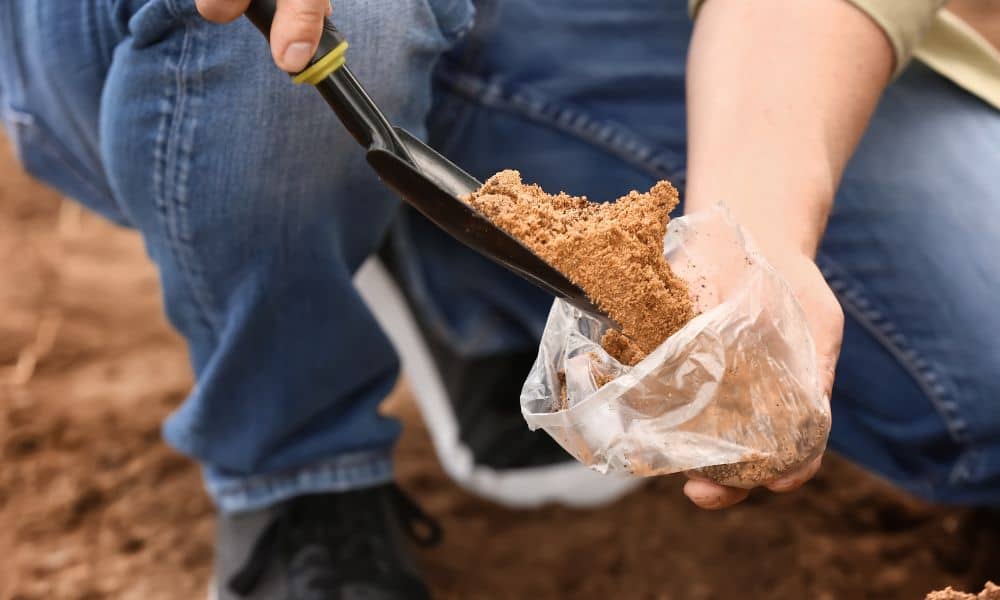
A perc test, short for percolation test, checks how quickly soil drains water. Inspectors dig small holes in the ground, fill them with water, and measure the absorption rate. If the soil drains at the right speed—not too fast, not too slow—it means a septic system can work there. If not, the landowner may need an engineered solution, which often costs more.
Why is this so important? In places without city sewer connections, a septic system is the only option for handling wastewater. Local health officials require a perc test before approving a septic permit. Without it, even the best building plan will hit a dead end.
How Perc Tests Shape Building Plans
The results of a perc test don’t just affect the septic system. They also reshape entire building plans. For example:
- House placement: A passing area might only be available on one side of the property. This forces the house, driveway, and even a pool to shift.
- Lot size: Smaller parcels may not have enough space for both the building and the required septic system, especially if soils drain poorly.
- Subdivision approval: If a developer wants to divide raw land into multiple lots, each lot needs to pass a perc test. A failed test can cut down the number of sellable parcels.
In other words, the perc test decides the footprint of your project long before walls go up.
When Perc Tests Change the Plan
Not every piece of land behaves the same. Let’s look at a few real-world scenarios:
- A parcel fails the test because of a high water table. The buyer either pays for an engineered mound septic system or walks away.
- A large lot passes the test, but only on the back portion. The home design shifts closer to the rear property line.
- A property near wetlands has sandy soil that drains too quickly. Engineers step in to design a modified septic solution, adding cost and time.
Each outcome shows why the test is a deciding factor, not just a formality.
Local Regulations and Approvals
In Miami, the health department will not approve a building permit for a home that relies on septic unless the land has a valid perc test. The rule protects both residents and the environment. Poorly draining soils can cause untreated wastewater to back up or leak into Biscayne Bay.
Regulations may also tie into zoning. For instance, areas near protected wetlands face tougher reviews. A failed test doesn’t always mean the end of the road, but it usually means extra time, paperwork, and engineering costs.
Cost and Timing
One question land buyers often ask is: When should I order a perc test? The answer is simple—early. Ideally, do it during the due diligence phase before closing on the land. That way, if the soil fails, you can back out or renegotiate the price.
A typical perc test costs a few hundred to over a thousand dollars, depending on the site. While that may sound like a lot, it’s small compared to the cost of redesigning a project or buying unusable land. Many buyers also schedule a land survey with soil evaluation at the same time, since combining these steps gives a clear picture of how the property can actually be developed. Timewise, the test itself takes less than a day, but scheduling with the county can add a few weeks.
How Surveyors and Engineers Get Involved

A perc test may seem like a job for inspectors, but surveyors and engineers play a big role too. Through surveying, a licensed land surveyor helps establish accurate boundaries, identify the best location for the test, and confirm how the results fit with future building plans. Once the test results are in, an engineer designs the septic system, making sure it meets both local codes and the land’s conditions.
This teamwork is crucial. In regions with a mix of limestone, sand, and swampy ground, professionals who know the area can spot challenges early and adjust plans before they become expensive problems
Why Perc Tests Matter for Investors and Homeowners
Whether you’re a developer looking at multiple acres or a family buying a single lot, the perc test is the same gatekeeper. For homeowners, it protects your health and ensures your investment is buildable. For investors, it determines whether your vision for raw land becomes profitable or stuck in red tape.
Skipping the test is never worth the risk. Imagine designing a dream home only to learn later that the land can’t handle a septic system. Suddenly, the dream becomes a costly headache.
Final Thoughts
A perc test might not sound exciting, but it makes or breaks building plans. From house placement to permit approval, the results guide every step of development on raw land.
If you’re considering land, make the test a priority. Order it early, review the results carefully, and work with trusted surveyors and engineers. With the right preparation, your building plans can move forward with confidence—and your investment will be protected.