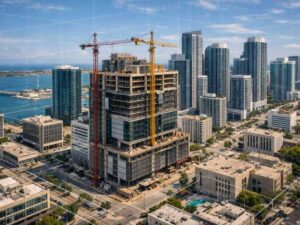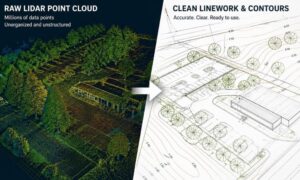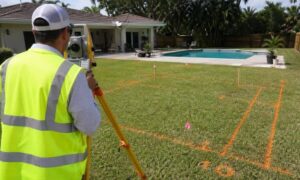
Miami is changing. Old office buildings are becoming apartment buildings. Developers are taking empty offices in Brickell, Wynwood, and other neighborhoods and turning them into homes. But before you start building, you need something called an ALTA survey. An ALTA survey is a detailed map of your property. It shows property lines, buildings, easements, and legal issues. An ALTA survey protects your money by finding problems early. This article explains why an ALTA survey matters when converting office space to apartments.
Why Office Buildings Need Different Planning
Converting an office building to apartments is harder than it sounds. Office buildings and apartment buildings are different. They have different layouts. They have different water and electrical systems. They have different rules about who can live there.
An ALTA survey does more than just draw property lines. It checks the property’s title, which is the legal record of ownership. It finds easements, which are rights given to utility companies to use your land. It confirms the city allows residential apartments on that property.
Many developers try to skip the ALTA survey to save money and time. This is a mistake. One developer in Brickell bought an office building. During construction, the city discovered a law saying that buildings could only be used for offices. The developer had to stop work and spend money getting special permission. This took six months and cost a lot of money. An ALTA survey would have caught this problem before buying the building.
Finding Hidden Problems with Titles
Every property has a title. The title is like the property’s history book. It says who owns the land. It lists problems like unpaid debts or restrictions on what you can do with the land. These hidden problems are called title defects.
Office buildings often hide problems in their titles. Old office buildings may have unpaid bills from past renovations. These bills become debts that follow the property. If you buy the building, you inherit the debt. An ALTA survey finds these hidden debts before you buy.
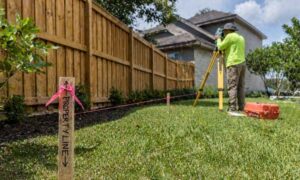
Another problem is overlapping property lines. Sometimes a neighbor’s building crosses onto your land. This shrinks your usable space. It makes apartment layouts difficult. The ALTA survey shows exactly where property lines are.
Old office buildings in downtown Miami sometimes sit in historic zones. Historic zones have strict rules about what you can change. You cannot remove old features. You cannot change the outside of the building too much. Converting to apartments may break these rules. An ALTA survey tells you about these restrictions before you start.
Understanding Utility Easements
Utility companies need access to water, sewer, gas, and electrical lines. They have legal rights to use parts of your property for these lines. These rights are called easements. The company can dig up your land to fix a pipe or check a line.
Office buildings have easements, but they do not create big problems. Offices do not need as many water and electrical connections as apartments. When you add hundreds of apartment units, you need more utilities. Easements that were not a problem for offices become a big problem for apartments.
A sewer easement running under your parking lot means you cannot build there. You have to move the parking lot somewhere else. Moving the parking lot can cost 150,000 to 400,000 dollars. The ALTA survey shows where every easement is. You know about them before you design anything. This saves money and time.
One conversion project in the Design District found a big sewer easement under the planned parking area. The ALTA survey showed this early. The developers changed their design before building started. Without the ALTA survey, they would have started construction and had to stop halfway.
Checking Zoning Rules
Zoning is a city rule that says what you can do with land. Office zoning means you can build offices. Residential zoning means you can build apartments. Converting from office to residential means changing how the property is zoned.
But sometimes old legal documents say the property can only be used for offices. These documents are called deed restrictions. They were written long ago and are still part of the property record. If a deed restriction says office-only, converting to apartments is illegal.
Banks will not lend money for a project that breaks deed restrictions. Title insurance companies will not insure the property. An ALTA survey finds these restrictions . You learn about them before you buy the property. Then you can ask the city for permission to change the restriction. Or you can ask the seller for a lower price because of the restriction. You control the problem instead of the problem controlling you.
Getting City Permits Faster
When you convert a building, the city gives you permits. Permits allow you to build. The city checks your plans. They measure setbacks and parking spaces. They verify unit counts are correct.
Building officials trust ALTA surveys. These surveys are made by licensed professionals who follow strict rules. When you give the city an ALTA survey with your plans, they process your application faster. They do not ask for extra measurements or verification. Your project moves forward.
Without an ALTA survey, city officials ask for more information. They want survey work done. This adds six to eight weeks to the process. An ALTA survey done before you apply prevents this waiting period.
What Comes Next
An ALTA survey is the first step in converting an office building. After you have the survey, everything else becomes easier. Banks trust the survey and approve loans. The city trusts the survey and issues permits. Architects use the survey to design apartments that fit the space. Engineers use the survey to check if the building is strong enough.
The survey also shows elevation. Elevation is how high the land sits. In Miami, elevation determines flood insurance costs. Residential apartments need flood insurance in flood zones. Knowing the elevation helps you understand costs before you invest money.
When your new apartments are finished, inspectors use the ALTA survey to check the work. They compare the finished building to what the survey showed. This makes final inspections faster.
Getting Started
An ALTA survey costs between four and eight thousand dollars. This is small compared to the millions you spend building. The survey protects your entire investment.
Start your conversion project with an ALTA survey. The survey finds problems before you spend millions. It speeds up city approvals. It protects your ownership rights. For anyone converting offices to apartments, an ALTA survey is not optional. It is essential.
If you are thinking about converting an office building to apartments, talk to a licensed surveyor about your project.