You finally decide to build a pool. The backyard looks big enough. The contractor says it can fit. Everything feels ready to go.
Then the real questions start.
Will it fit where you want it? Will the city approve it? Will anything underground get in the way?
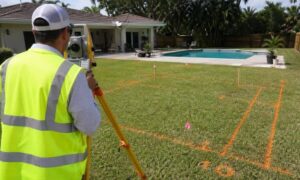
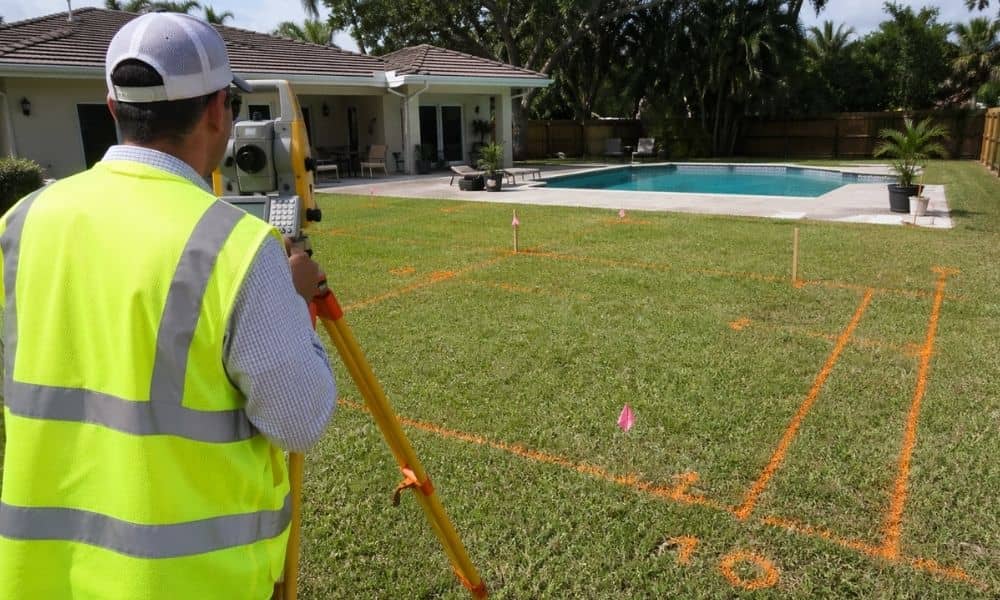
This is where a residential surveyor comes in. Before any digging starts, they take a close look at your property and show what’s actually possible. Many homeowners bring in a residential surveyor for pool planning early on, just to make sure everything lines up before anything gets finalized.
In Miami, that step can save you from problems later.
Why Pool Projects in Miami Get Complicated Fast
Backyards in Miami don’t always give you much room. Houses sit close to each other. Fences, patios, and driveways already take up space. On top of that, the ground can be flat but tricky when it rains.
So even if your yard looks open, not all of it is usable.
That’s why guessing rarely works. A pool design that looks perfect on paper can run into issues once work begins. That leads to delays, changes, and extra cost.
A residential surveyor helps avoid that early.
They Measure What You Can Actually Use
Most homeowners look at the full lot size. That number sounds big. The reality is different.
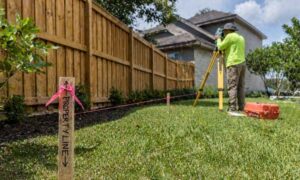
A residential surveyor checks how much of that space you can truly build on. They mark out the areas where a pool can go and the areas where it can’t.
This helps you see your real options before any design gets locked in.
Without that step, people often plan a pool that simply doesn’t fit the way they expect.
They Check How the Pool Fits with Your Home
Pool placement isn’t just about space. It has to work with your house layout.
Too close to the house and it feels cramped. Too far and it becomes hard to use. If it blocks doors or walkways, daily life gets annoying fast.
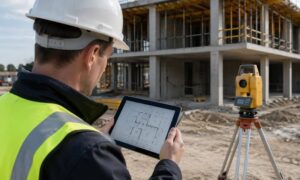
A residential surveyor maps out the exact position of your home, patio, and other features. This helps your designer place the pool in a way that feels natural and usable.
Good layout now saves frustration later.
They Look for Underground Surprises
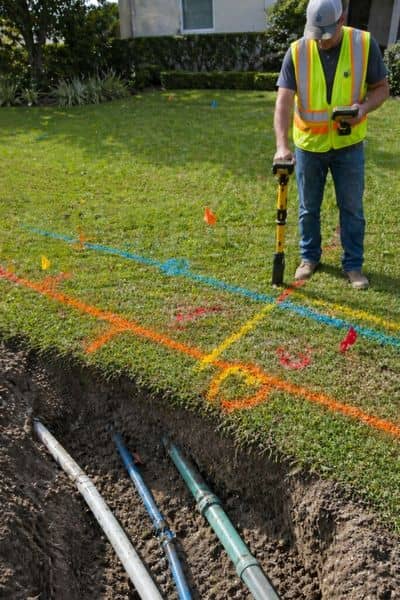
Pools require deep digging. That means anything under the ground becomes a risk.
Water lines. Sewer lines. Electrical connections. These don’t show from the surface, but they can stop a project in its tracks.
A residential surveyor identifies where these run across your property. This gives your contractor a clear path and avoids hitting something expensive or dangerous.
Fixing a mistake here can cost more than the pool design itself.
They Study the Ground Before Work Starts
At first glance, your yard may look flat. Still, small changes in slope matter.
Water needs somewhere to go. If the ground isn’t right, rain can collect around the pool or push water toward your house.
A residential surveyor checks how your yard sits. They help guide how the pool area should be prepared so water moves the right way.
This step keeps your pool area safe and usable after heavy rain.
They Plan for Construction Access
Getting a pool built isn’t simple. Large equipment needs to enter your yard.
In many Miami neighborhoods, access is tight. Side yards can be narrow. Fences block entry. Nearby structures limit movement.
A residential surveyor looks at how equipment can reach the build area. This helps the contractor plan the safest route in and out.
Skipping this step can lead to damage to your property before the pool is even finished.
They Help You Think Beyond Just the Pool
Most people focus on the pool itself. That’s only part of the picture.
What about the space around it? Seating areas. Walkways. Future upgrades. If the pool takes up too much space, the yard feels crowded.
A residential surveyor helps you see how everything fits together. You get a better idea of how your backyard will work long term, not just on day one.
This keeps your project balanced and practical.
What Happens When This Step Gets Skipped
Some homeowners try to move forward without a survey. It feels faster at first.
Then problems show up.
Designs need to change. Contractors pause work. Costs go up. Timelines stretch out.
Worse, mistakes during construction are harder to fix than mistakes on paper.
A residential surveyor helps prevent those issues before they start.
When to Call a Residential Surveyor
Timing matters.
Bring in a residential surveyor before you finalize your pool design. Do it before permits get submitted. Early planning gives you better control.
You don’t want to adjust your plans after you’ve already paid for design work or scheduled construction.
Starting with accurate information makes every next step smoother.
Build Your Pool with Confidence
Adding a pool is a big upgrade. It should feel exciting, not stressful.
A residential surveyor gives you a clear picture of your property before anything begins. You know what fits, what works, and what needs to change.
That clarity helps you move forward with confidence. It saves time. It saves money. It keeps your project on track.
If you’re planning a pool, don’t guess your way through it. Start with the right information and build from there.