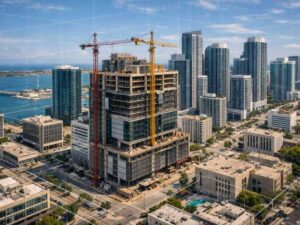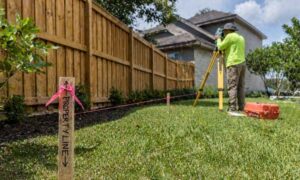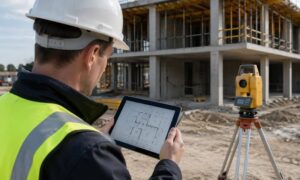
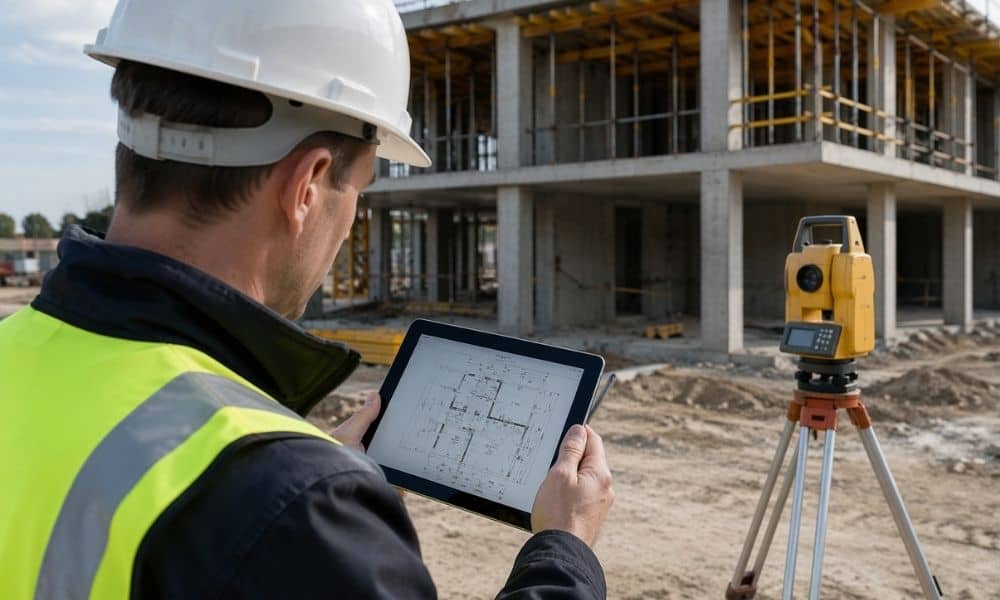
A project can look finished. Workers leave the site, equipment is gone, and everything appears ready. Then the final inspection gets delayed. That usually happens for one reason: the city checks the site against the plans, and something does not match. Not because the build is wrong, but because the records do not reflect what was actually built. That is where as built surveys come in.
They show what the site looks like at the end of construction, not what it was supposed to look like on paper. When they are clear and complete, inspections move forward. When they are missing details, projects stall.
Why final inspection depends on what’s actually on site
Final inspection in Miami is no longer about checking drawings. It is about confirming reality.
Plans show intent. The site shows what really happened.
During construction, small changes happen all the time. A wall shifts slightly. A driveway ends up in a slightly different location. A drainage line is adjusted to fit field conditions.
None of that is unusual. But inspectors still need a clear record of those changes before they approve the project.
That record comes from as-built surveys. Without it, the city has no way to confirm that the finished site matches what was approved.
What an as built survey is really used for
Most people think it’s just a cleaner version of the original site plan, but it doesn’t really work that way.
An as-built survey shows what the site actually looks like once construction is finished—not what was planned, but what is really there on the ground.
That matters because construction rarely stays exact. Things shift during the build. A wall moves slightly, a driveway ends up a few inches off, or a utility line is adjusted to fit what is actually happening on site.
By the end of the job, everyone relies on that final record. Contractors use it to close things out, engineers review it before signing off, and the city checks it before granting approval. It becomes part of the as-built survey documentation that reflects the project’s actual condition.
If something does not match what was approved, this is where it gets caught.
What must be included in as built surveys
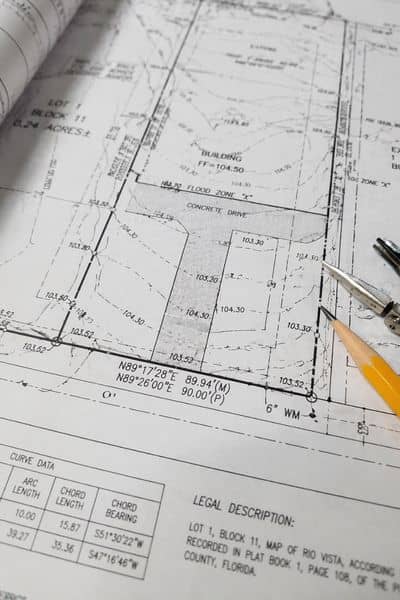
A proper as built survey needs to reflect the full site as it stands after construction. Not just parts of it.
The first thing is the building location. Even small shifts matter. A structure that ends up slightly off its planned position can affect setbacks and approvals.
Next is the full site layout. That includes driveways, walkways, access points, and any surface improvements. These often change during construction because of real-world conditions on site.
Then there are structural additions. Things like retaining walls, slabs, ramps, and pads must all be recorded as they were actually built. These elements often get adjusted during construction, so the final record has to match reality.
Utilities also matter. Water lines, sewer connections, and drainage paths often shift during installation. Inspectors need to see exactly where they ended up, not where they were planned.
Finally, finished ground levels need to be included. This affects drainage and how water moves across the property. In Miami, that detail matters a lot because water management is part of almost every approval process.
When all of these pieces are included, the survey tells the full story of the site.
Where projects usually run into trouble
Most delays do not come from major mistakes. They come from small things that were never recorded.
A contractor might adjust a wall during framing and not think much of it. A utility line might shift a few feet to avoid an obstacle. A grading change might happen late in the job to fix drainage.
Individually, none of these feel serious.
But at final inspection, the city compares the approved plan to the finished site. If those changes are not documented in the as built survey, the inspection stops.
Once that happens, the project has to be checked again. Sometimes field work has to be redone. That slows everything down right when the job should be wrapping up.
When the survey should actually be done
Timing makes a big difference.
A common mistake is waiting until the very end, after everything has already been packed up. By then, small details are harder to verify. The crews are gone. Marks have disappeared. The site looks finished, but not everything is easy to measure anymore.
The better time is right after major construction work is done, while the site still clearly reflects what was built.
That is when as-built surveys are most accurate. Nothing has been covered up or removed yet, so the final record is cleaner and more reliable.
How as built surveys help final approval move faster
When the survey is done right, everything at inspection becomes simpler.
Inspectors do not have to guess or request clarification. They can see exactly what was built and compare it to the approved plans.
That reduces back-and-forth. It also lowers the chance of rework or repeat inspections.
For contractors, that means fewer delays. For owners, it means faster occupancy. For developers, it keeps the schedule from slipping at the very end of the project.
A clean as built survey often saves more time than people expect.
What gets missed more often than people think
Even experienced teams miss things.
Small field changes are the most common issue. A minor adjustment during construction does not always get recorded. But inspectors still expect to see it reflected.
Utilities are another common gap. Pipes and lines can shift during installation, especially on tight sites, and those changes are easy to forget.
Drainage is another one. The site might look fine visually, but small slope differences can change how water moves. That becomes important during review.
These are not dramatic mistakes. They are just easy to overlook. But they matter at final inspection.
Final thought
A project is not really finished when construction wraps up. It is finished when the city confirms that everything matches what was approved.
That is what as-built surveys are for.
They turn a finished site into an approved one. When they are accurate, inspections move smoothly. When they are incomplete, everything slows down.
In Miami, where projects move fast and approvals matter, that final step makes a bigger difference than most people realize.