Buying property in Miami can feel simple when the lot looks clean, open, and ready for plans. But a lot survey often reveals details that buyers do not see during a walkthrough. In a market shaped by setbacks, flood rules, and tight development space, those details can change what you can build and how fast you can move forward. Miami-Dade permit guidance also makes clear that surveys, flood information, and zoning review can be part of the approval process depending on the project.
Why Miami Buyers Get Surprised by Lot Lines and Setbacks
This topic has strong Reddit frustration because it reflects a common buyer mistake: people assume the visible yard is the usable yard. A recent Reddit post described a new owner who found setback zones on the survey after purchase and felt shocked that a large part of the property could not be used the way they expected.
That situation usually comes down to missing key details early. Having clarity on what your land actually allows helps buyers understand those limits before committing, instead of finding out after plans, permits, or design decisions are already in progress.
What a Lot Survey Actually Shows
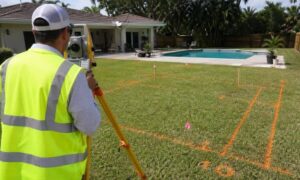
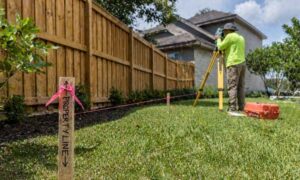
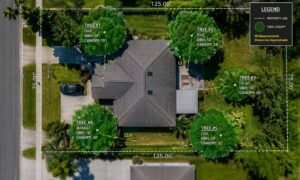
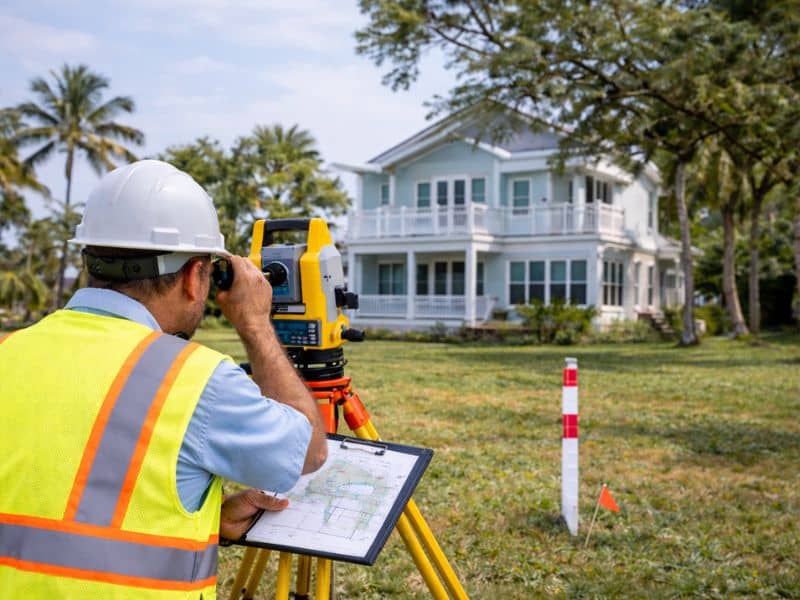
A lot survey helps confirm the physical layout of the property. It can show boundary lines, lot dimensions, visible improvements, and how those improvements relate to property limits. It also helps identify whether fences, walls, driveways, pools, or other site features appear too close to boundaries or inside areas that may affect approvals.
That matters because a permit application may depend on current site conditions, not just older records. Miami-Dade’s zoning improvement permit guidance says a land survey must provide the location of the improvement and reflect the current layout of the property. In plain terms, the survey is there to show what is really on the site today.
Why This Matters More in Miami
Miami is not a market where buyers can safely guess. Coastal conditions, flood concerns, and tight residential layouts make accuracy more important. Miami-Dade says elevation certificates have been collected from home builders and developers since 1995 as a permit requirement, and the county also provides flood zone tools for confirming official designations. That means a buyer may need to think about both horizontal limits, like lot lines and setbacks, and vertical limits, like flood elevation requirements.
This is also why the article should not treat a lot survey like a basic formality. In Miami, the survey can become the document that connects zoning, flood review, and site planning. That makes it useful much earlier than many buyers expect. Getting insight into your property before you build can help you catch issues while there is still time to adjust the plan, instead of discovering them after design money or permit fees are already committed.
Common Problems a Lot Survey Can Uncover
A buyer may not see a problem until a survey lays everything out clearly. Some of the most common issues include:
- setbacks that reduce the buildable area
- fences or walls placed off the expected line
- improvements too close to boundaries
- site conditions that raise permit questions
- assumptions about usable yard space that do not match the survey
These issues are not always dramatic, but they can slow down design work and make a project more expensive. The broader point is simple: a lot can look larger, simpler, or easier to use than it really is.
How Buyers Can Avoid Permit and Planning Delays
The best time to review a lot survey is before final design decisions are made. Buyers who wait too long often find themselves redesigning a layout, moving improvements, or explaining site conflicts during permitting.
A better approach is to treat the survey as part of early due diligence. Check the zoning category, review flood information, and compare the survey to the improvements or plans you expect to use. Miami and Miami-Dade both provide property and permit resources that help owners review zoning, flood, and permitting conditions before work moves too far ahead.
A lot survey does not create new restrictions. It shows you the ones that were already there. In a place like Miami, that clarity can protect your timeline, your budget, and your building plans.