If you own land—or you plan to buy soon—there’s something new you should pay attention to. A recent decision about the Urban Development Boundary, or UDB, is making waves. At first, it may sound like just another rule. However, it can change what you can do with your land. Because of this, many property owners now face more questions than answers. Can you build? Will you get approved? Is your land even usable? This is where it helps to talk to a local surveyor before buying so you don’t run into surprises later.
What the UDB Really Means for Your Land
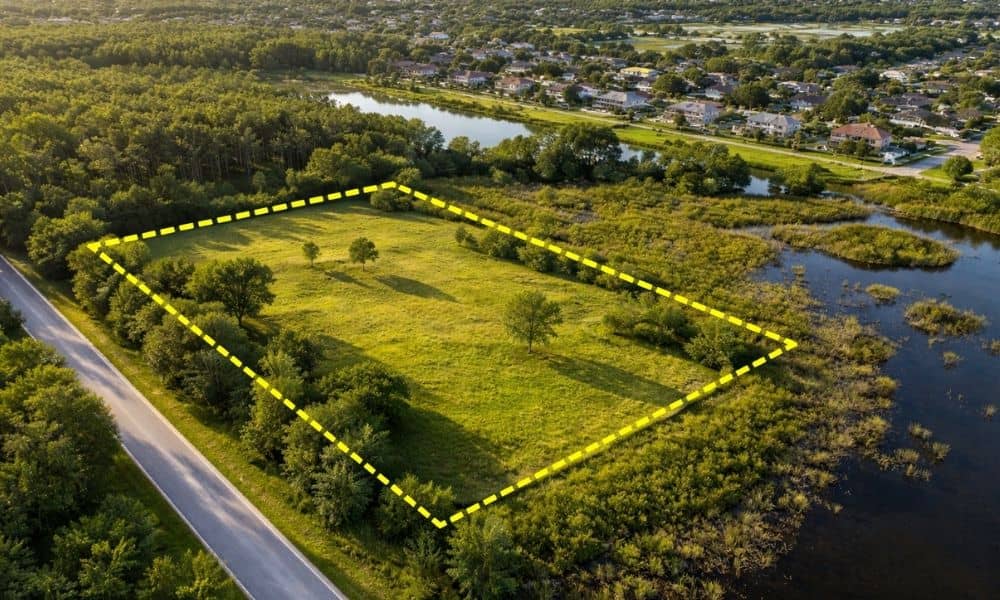
The Urban Development Boundary is a line on a map. Inside that line, most development can happen. Outside that line, building becomes limited or restricted.
In Miami, this line helps protect wetlands and control growth. At the same time, it shapes how the city expands.
However, here’s the problem. A piece of land can look open and ready, yet still fall outside the allowed area. Because of that, many buyers assume they can build—only to find out later they cannot.
So, the UDB is not just a map. It’s a rule that decides what your land can become. It also helps explain why people end up reaching out to a local surveyor in Miami when they want to be sure about what they can actually do with a property.
What Changed With the Recent Decision
Recently, there was talk about adjusting the UDB to allow more development. Some groups pushed to expand it. Others wanted to keep it strict to protect natural areas.
For now, stricter limits remain in place. That means development rules are still tight, especially in areas close to wetlands.
Because of this decision, property owners must be more careful than before. You cannot rely on what you see on the surface. Instead, you need accurate information before making any move.
And that’s where things start to connect to your real situation.
Why a Local Surveyor Matters More Than Ever
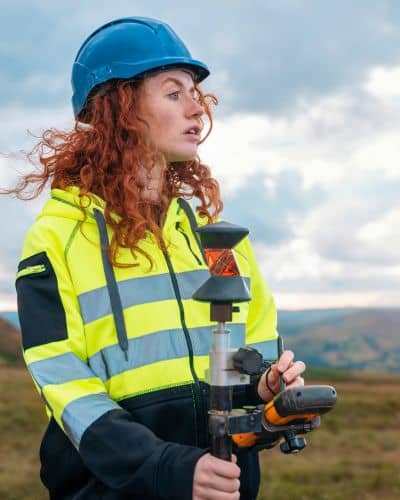
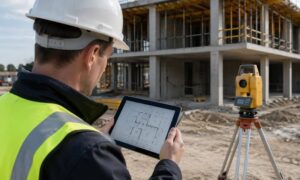
A local surveyor does much more than measure land. They help you understand what your property truly is—not just what it looks like.
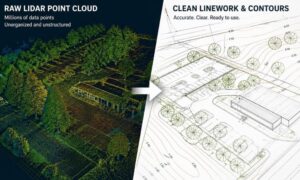
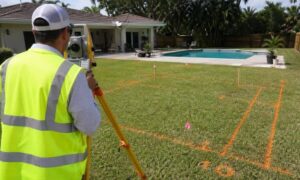
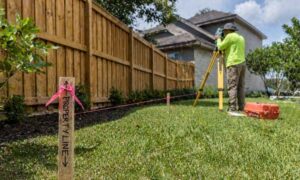
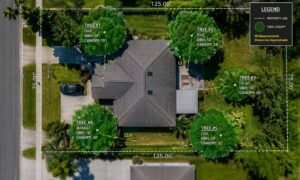
For example, a surveyor can show where your exact property lines sit. They can also check if your land falls inside or near the UDB. In addition, they look at zoning rules, elevation, and nearby features like wetlands.
Because of that, they give you a full picture of your property.
Without this step, you may rely on guesswork. And in today’s market, guesswork can cost you a lot.
The Hidden Risks Many Buyers Miss
Many people feel excited when they find a good piece of land. The price looks fair. The area looks promising. So, they move forward quickly.
However, problems often show up later.
Sometimes, the land sits near a protected area. Other times, part of the property falls outside the UDB. In some cases, flood risks or access issues appear during the planning stage.
Because these details are not always visible, buyers miss them.
As a result, projects slow down, costs go up, or plans stop completely.
When a Property Looks Buildable—but Isn’t
Imagine you find a lot that looks perfect. It’s flat, clear, and easy to access. Everything about it feels right.
So, you buy it.
At first, things move forward. But then, during the planning stage, you learn that part of the land sits outside the UDB. You also discover nearby wetlands.
Now, getting permits becomes difficult. You may need to change your design. You may even face delays that stretch for months.
Situations like this happen more often than people think.
However, a local surveyor could have spotted these issues early. That simple step could have saved time, money, and stress.
How Early Planning Makes a Big Difference
Timing matters more now than ever. Because rules remain strict, early planning gives you a clear advantage.
When you bring in a local surveyor before buying, you gain real insight. You learn what is possible—and what is not—before you commit.
Because of that, you can make better decisions. You can adjust your plans early instead of fixing problems later.
Also, clear survey data often helps speed up approvals. When your plans match real conditions, the process becomes smoother.
Understanding Your Property Before You Act
Before you move forward with any land, you need to understand more than just location and price.
You need to know how your property fits within the UDB. You also need to understand any limits tied to zoning, flood zones, or environmental factors.
A local surveyor helps bring all of this together.
They turn maps, rules, and data into something clear and usable. Because of that, you gain confidence in your next step—whether you plan to build, sell, or invest.
Final Thoughts: Clarity First, Decisions Second
Miami continues to grow, but growth comes with rules. The recent UDB decision shows that those rules are not going away anytime soon.
Because of that, property owners must stay informed.
Before you buy land or start building, take the time to understand what you’re dealing with. Don’t rely on assumptions. Don’t wait until problems appear.
Instead, work with a local surveyor who knows the area and the rules.
In the end, clear information leads to better decisions—and better outcomes for your property.