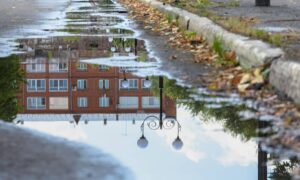
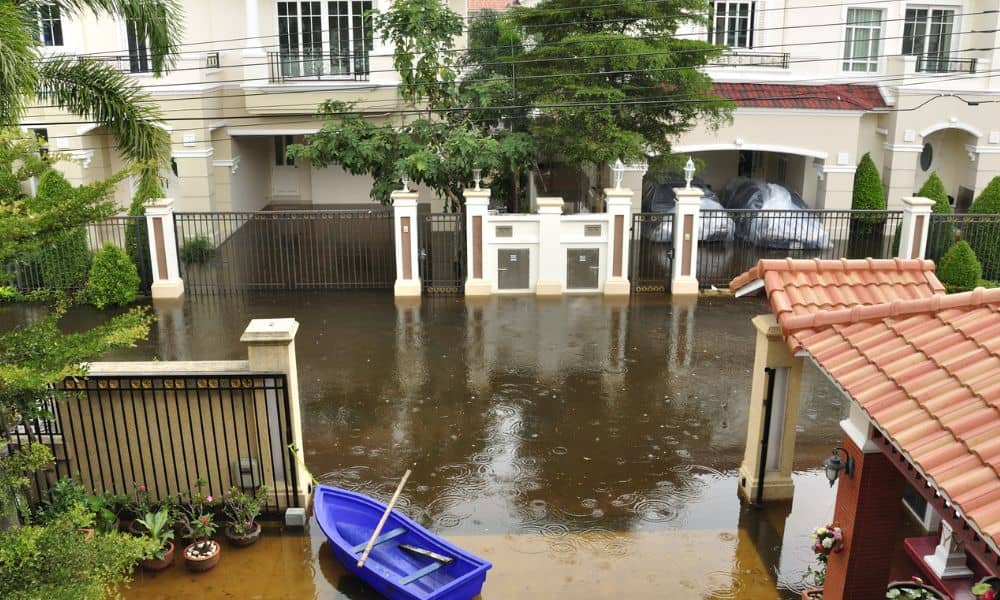
Miami residents know the scene well. The sun shines bright, the sky looks clear, yet water slowly covers the street. Cars drive through shallow waves, and sidewalks turn into small streams. It often happens during king tides, when the ocean rises higher than normal. However, something strange appears during these floods. One driveway may sit under water, while the house next door stays dry. The difference can seem confusing. After all, the homes share the same street and the same weather. In many cases, the answer comes down to one small detail: elevation. Once you start looking at what an elevation certificate shows, those differences become much easier to understand, because the document reveals the exact height of a home compared with nearby ground levels and local flood elevations.
What Makes King Tides Different
King tides occur a few times each year. They happen when the sun and moon line up in a way that pulls ocean water higher than usual. As a result, tides reach their highest levels of the year.
In coastal cities like Miami, even a small rise in sea level can cause problems. Many neighborhoods sit only a few feet above the ocean. Because of that, high tides sometimes push water onto streets and into yards.
Even so, not every property floods the same way. Some homes remain dry even when the road nearby fills with water. Others see water reach the edge of the driveway. Therefore, the question becomes clear: why does flooding affect some homes more than others?
The Few Inches That Change Everything
In a low-lying place like Miami, a few inches of height can make a big difference. For example, one home might sit slightly higher than the house beside it. That small difference may not look important during normal weather. Yet during a king tide, it can decide whether water reaches the property.
Think about two houses on the same block. One yard slopes slightly toward the street. The other slopes away from it. When water rises, it follows the lowest path. As a result, one property may collect water while the other stays dry.
Driveways also play a role. If a driveway dips lower than the road, water can gather there first. Meanwhile, a home with a slightly raised driveway may avoid that problem.
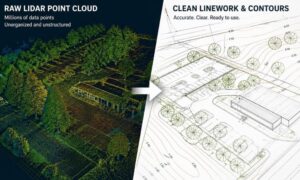
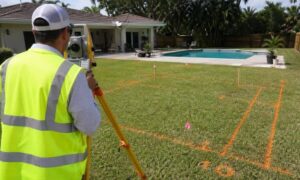
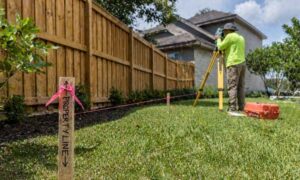
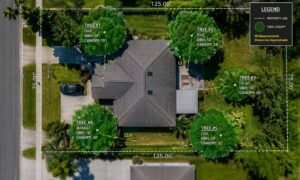
These small elevation changes are often hard to notice just by looking at a yard or driveway. In fact, many of them only become clear when local land surveying professionals measure the ground and structure heights across a property.
Therefore, the shape of the land matters just as much as the tide itself.
Why Neighboring Homes Can Flood Differently
Many factors affect how water moves across a property. While homeowners often focus on storms, small design details can matter just as much.
First, foundation height changes flood risk. Some homes sit slightly above ground level, while others sit directly on a concrete slab. Even a small lift above ground can help keep water away from the floor.
Next, lot grading affects drainage. Builders shape the land so rainwater moves away from the house. However, if the slope points toward the home, water may collect near the walls instead.
Street elevation also influences flooding. Over time, cities add new pavement layers during road repairs. That process can slowly raise the street higher than nearby yards. As a result, water may flow toward homes instead of away from them.
Finally, nearby seawalls, drainage systems, and landscaping can change how water spreads across a neighborhood.
All these small details work together. During normal days, they may not matter. Yet during king tides, they become very noticeable.
How an Elevation Certificate Helps Reveal the Difference
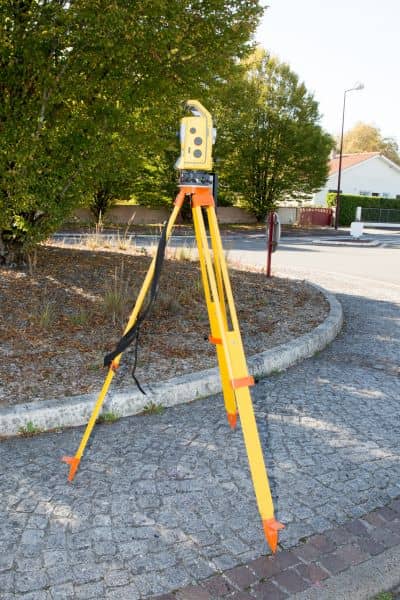
This is where an elevation certificate becomes useful. The document records the height of a building compared with nearby ground levels and flood data.
A licensed surveyor measures several points around the property. These include the lowest floor of the home and the surrounding ground. After that, the surveyor compares those measurements with local flood elevation data.
Because of this process, the elevation certificate shows exactly how high a structure sits relative to flood levels. Instead of guessing, homeowners can see the numbers clearly.
For example, two homes on the same street may look similar. Yet the certificate may show that one sits several inches higher than the other. That small difference can explain why one driveway floods while the other stays dry.
In short, the document turns a confusing situation into clear information.
King Tides Reveal Hidden Property Risks
King tides act like a natural test for coastal properties. When the ocean reaches its highest levels, it exposes weak spots in the landscape.
Some homeowners first notice the issue when they see water near the garage or driveway. Others see puddles forming where they never appeared before. Because these events happen on sunny days, the flooding can feel surprising.
However, the water often highlights small elevation differences that already exist. The land may dip in certain spots, or the foundation may sit lower than nearby homes.
Once homeowners understand that difference, the situation makes more sense. The flooding does not appear random. Instead, it follows the lowest points in the neighborhood.
When Property Owners Want to Know Their Elevation
Many property owners become curious about elevation after seeing king tide flooding nearby. They want to know how their home compares with the rest of the block.
Sometimes the concern comes after water reaches the street in front of the house. Other times, it happens when neighbors discuss flooding that did not affect every property equally.
In both cases, homeowners often want a clear answer. They want to know whether their property sits slightly higher or lower than nearby homes.
An elevation certificate provides that information. With accurate measurements, homeowners can better understand how their property interacts with the surrounding land.
Understanding Your Property Before the Next Tide
King tides will continue to happen in Miami. Each year, they remind residents how closely the city connects to the ocean.
Yet those events also show how important elevation can be. A few inches of difference can change how water moves across a street or yard.
That is why many homeowners choose to learn more about their property’s elevation. An elevation certificate offers a clear look at how high a structure sits compared with nearby flood levels.
With that knowledge, property owners gain a better understanding of their home and its surroundings.
The next time a king tide sends water across Miami streets, the flooding may not seem so mysterious. In many cases, the answer lies in something small but powerful: the height of the land beneath your home.