
You are days away from closing on a commercial property in Miami. The lender approved the loan. The title company set the signing date. Everything seems ready. Then an email shows up. “The survey certification must be revised.” Now stress builds. The buyer looks at the title. Title looks at the survey. And your commercial property surveyor asks for time to review the wording.
This happens more often than people think. In many Miami commercial deals, certification language — not the survey fieldwork — causes the delay.
Why Certification Language Matters So Much
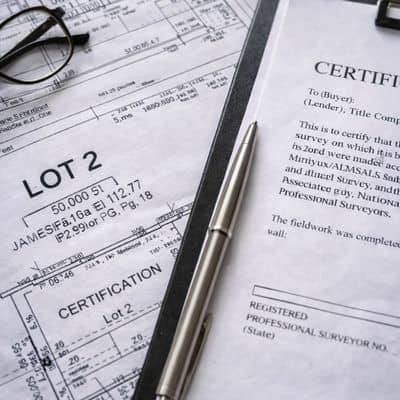
At the bottom of an ALTA survey, there is a certification section. It may look short, but it carries serious meaning. That paragraph lists who can rely on the survey if a problem shows up later.
In simple terms, it answers this question: Who can use this survey if there is a dispute?
Buyers want protection. Lenders want protection. Title companies want protection. That makes sense. However, every added name increases legal responsibility. Because of that, a commercial property surveyor cannot simply add parties without review.
In Miami, many deals include several LLCs, investors, and lenders. So certification wording can become tricky very fast.
Why Miami Deals Feel This More
Miami’s commercial market moves quickly. Investors change plans. Buyers form new companies. Lenders switch during the deal.
As a result, names on the title commitment may change from the original survey request. Even small changes matter. A missing word or a new LLC name can require an update.
At the same time, closing dates stay tight. Everyone wants speed. But legal wording must be exact.
That mix often leads to delays.
How Problems Start Near Closing
Picture this.
A shopping plaza in Miami goes under contract. The buyer plans to use one company name. Later, the buyer forms a new LLC for tax reasons. Then the lender changes.
Three days before closing, the title reviews the survey. The certification lists the old buyer name and the first lender.
Now the document must change.
The commercial property surveyor must check the new legal names, update the wording, re-sign, and re-seal the survey.
Even if the change seems small, the process takes time. Closing may move by several days.
The delay did not come from the boundary lines. It came from certification wording.
Why Your Commercial Property Surveyor Slows Down
When your commercial property surveyor reviews certification language carefully, they protect the deal.
Surveyors follow professional rules. They carry insurance limits. They must make sure the wording meets ALTA standards.
If too many parties are added without review, risk increases. And in Miami, where property values are high, that risk matters.
So when your surveyor asks questions, they are not trying to block the closing. They are trying to protect everyone involved.
The Risk of “Just Add Them”
In big commercial deals, several investors may want their names listed. Lenders may ask for special wording. The title may suggest broader language.
However, certification language is not a guest list. It is a legal promise.
If a dispute comes up years later, each named party could rely on the survey. That increases legal exposure.
Because of that, a careful commercial property surveyor must review each request. This protects the surveyor — and it protects the deal.
Where Delays Really Begin
Most delays begin with small steps.
First, the title commitment says “Insured: To Be Determined.” Then the buyer forms a new company. Next, the lender changes. Finally, the title reviews the survey late in the process.
Each change seems minor. But together, they create last-minute edits.
When edits happen during closing week, stress rises. And stress slows communication.
Closing shifts.
How to Reduce the Risk
Most certification delays can be avoided with early planning.
Share the full title commitment with your commercial property surveyor at the start. Finalize your buyer entity as soon as possible. Confirm your lender before the survey reaches its final stage.
When everyone talks early, surprises happen less often.
In Miami’s fast market, early coordination makes a big difference.
Why Experience Matters in Miami
Commercial deals involve more than lines on a map. They involve ownership structures, financing terms, and legal details.
Because Miami attracts many investors and complex partnerships, certification language often reflects those layers.
An experienced commercial property surveyor understands these patterns. They know what lenders expect. They know how ALTA wording works. Most importantly, they can spot issues before closing week.
That kind of awareness keeps deals moving.
Final Thoughts
Closing delays feel stressful. However, many survey-related delays come from certification language — not from measurement mistakes.
That small paragraph at the bottom of the survey carries serious weight. In Miami commercial transactions, details matter.
So before frustration grows, talk with your commercial property surveyor about certification language. Confirm names early. Align lender details. Review title documents ahead of time.
A short conversation at the start can prevent days of delay at the end.
And in Miami’s competitive commercial market, those days count.