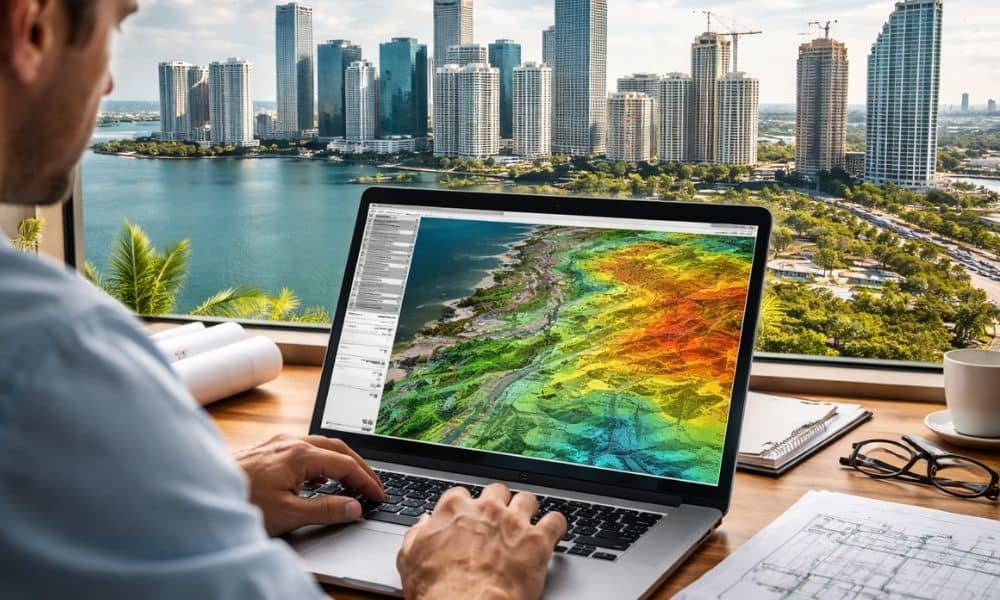
Miami moves fast. Land sells quickly. Investors want answers now, not weeks later. Because of this pressure, developers always look for tools that help them decide faster. Recently, lidar mapping has started to change in a big way — and many people in real estate have not noticed yet.
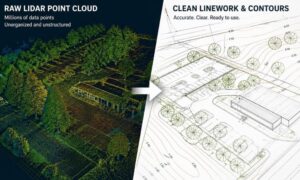
For years, lidar mapping followed a simple process. You hired a survey team. They scanned your site. They delivered the data. That was it. However, a new trend has started to grow. Companies now collect lidar data across large areas and sell access to it like a product. In other words, lidar mapping is entering a data marketplace era.
So what does that mean for developers?
From Custom Service to Licensed Data
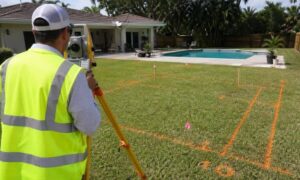
In the past, lidar mapping worked like this: a project needed exact elevation data, so a team went out and captured it. That data belonged only to that project. It had a clear purpose and clear responsibility.
Now, things look different.
Today, some firms collect large lidar datasets and then license them to others. Developers can buy or subscribe to terrain data that already exists. At first, this sounds like a smart move. After all, why pay for new data if someone already scanned the area?
Because of this change, lidar mapping now plays a role much earlier in the development process. Teams use it during land review, budgeting, and early planning.
Still, easy access does not always mean reliable results.
Why This Shift Matters in Miami
Miami has special challenges. The land looks flat, yet small height changes matter a lot. Even a few inches can affect drainage, grading costs, and building layout. Therefore, early guesses can shape the whole project budget.
In a busy market, developers often review many sites at once. Licensed lidar mapping lets them compare land quickly. Instead of waiting for a survey crew, they can study elevation data right away. That speed can help win deals.
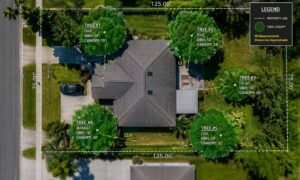
Also, investors expect strong data. When a developer shows a 3D terrain model early on, it builds trust. It shows the team has done its homework.
However, speed alone should not guide major decisions.
The Hidden Risks of Marketplace Lidar Mapping
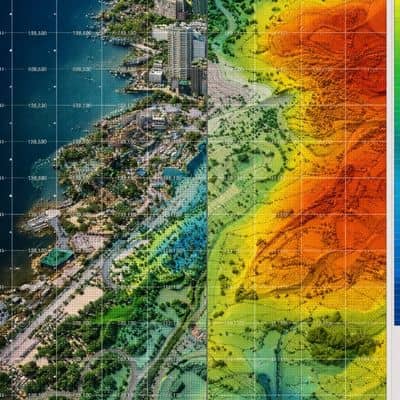
Although pre-existing data saves time, it brings new risks.
First, the age of the data matters. Miami changes all the time. Crews add fill. Builders clear trees. Contractors reshape land. If the lidar data is old, it may not show current conditions. Because of this, developers must check when the data was captured.
Second, not all lidar mapping meets the same level of accuracy. Some datasets work only for rough planning. Others lack detailed ground review. In flat coastal areas, small height errors can lead to wrong cost estimates.
Third, coordinate systems matter. Projects in Miami must follow specific elevation references. If the data uses the wrong system, the numbers may look correct but sit at the wrong height level. That mistake can cause grading problems later.
Finally, licensing rules can limit how teams use the data. Some agreements restrict sharing with engineers. Others do not include liability coverage. If something goes wrong, the developer may carry the risk.
So while marketplace lidar mapping gives access, it does not always give protection.
When Marketplace Data Makes Sense
Even with those risks, licensed lidar mapping still helps in the early stages.
For example, during site screening, planning-grade data works well. Developers can test building layouts and rough grading ideas. They can compare multiple sites before making offers.
Large developers also benefit from regional datasets. Instead of ordering surveys for every possible site, they can narrow choices first. Then they move forward with better data only for the top options.
This approach saves time and keeps early costs lower.
When Custom Lidar Mapping Becomes Necessary
As a project moves closer to design and construction, accuracy becomes more important.
When engineers prepare final drawings, the data must be reliable. Contractors depend on correct surfaces. Earthwork numbers must match real ground conditions. Permit submissions require solid support.
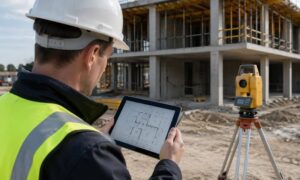
At that point, commissioning project-specific lidar mapping often makes sense. A fresh capture shows current conditions. Survey control points confirm accuracy. Engineers receive data that fits their needs. Most importantly, professional responsibility supports the work.
Therefore, developers should match the level of lidar mapping to the stage of the project. Early ideas can use rough data. Construction decisions cannot.
A Smarter Approach for Developers
Because lidar mapping now comes in two forms — licensed and commissioned — developers need a smart plan.
First, use marketplace lidar mapping to review sites quickly. This step speeds up early decisions.
Next, once a site looks promising, review the dataset carefully. Check the capture date. Confirm the vertical reference. Understand the limits of use.
Finally, before moving into final design, commission targeted lidar mapping to confirm conditions. This step protects budgets and timelines.
By using both options wisely, developers gain speed without losing control.
Data Is Easier to Buy — Good Judgment Still Matters
The data marketplace era shows progress. Access to lidar mapping keeps growing. Developers can move faster than before. However, more access also means more responsibility.
In Miami, where land moves fast and small height changes matter, the key question is not “Do we have lidar data?” The better question is “Is this the right lidar mapping for this decision?”
When teams ask that question early, they lower risk and keep projects on track.
Lidar mapping will keep evolving. Technology will improve. Data libraries will grow. Yet one thing will not change: successful projects depend on knowing when to use existing data and when to invest in new precision.
In a city that builds as quickly as Miami, that balance makes all the difference.