You’ve probably seen small metal pins, capped rods, or flagged stakes near the edges of a property. Most people ignore them. However, when a fence project or boundary disagreement begins, those tiny markers suddenly matter a lot. Recently, a neighbor dispute went viral after someone removed a survey marker during a property line argument. The situation escalated fast. Lawyers got involved. Costs piled up. What started as a simple improvement turned into a serious conflict. Situations like this happen more often than homeowners expect. That’s exactly why starting with a residential land survey makes such a big difference.
Survey markers are not random objects in the ground
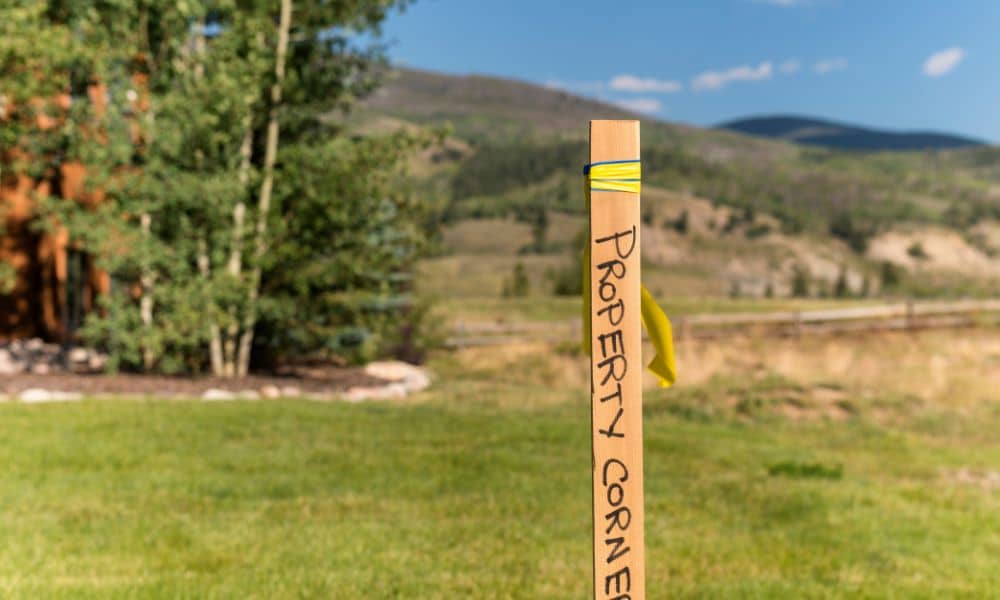
At first glance, a survey marker looks unimportant. It may appear as a metal rod, a capped pin, or a marked nail in concrete. Still, these markers connect directly to measured boundary lines.
Surveyors place or confirm these points during a residential land survey. They use them to define property corners and boundary limits with exact measurements. In simple terms, they anchor your legal property lines to physical points on the ground.
Because of that, moving or removing one creates confusion right away. The next surveyor must rebuild that reference using extra field work. That step adds cost and time. Moreover, if a dispute already exists, a missing marker raises tension between neighbors.
So while the marker looks small, the impact of disturbing it is not.
Why fence projects often trigger boundary disputes
Most boundary fights don’t start with bad intentions. Instead, they start with home upgrades.
For example, a homeowner decides to install a fence. The contractor asks where the property line runs. The owner points based on memory, an old drawing, or an online parcel map. The fence goes up. Then the neighbor objects.
Now both sides feel sure. However, neither side holds measured proof.
Online maps help with general layout, but they do not replace a residential land survey. Meanwhile, older closing sketches often lack current field verification. As a result, people build based on estimates instead of measurements.
That estimate turns into an argument.
On the other hand, a current residential land survey shows exact lines before construction starts. Therefore, everyone works from facts instead of guesses.
Removing a marker usually makes the problem worse
When property line arguments heat up, emotions take over. Sometimes someone removes a marker to “fix” the line. Unfortunately, that action often creates bigger trouble.
First, removing a marker destroys physical boundary evidence. Next, surveyors must re-establish the point through added measurements and calculations. That process increases cost and delays projects.
Then permits may stall. Title reviews may raise questions. Lenders may request updated documents. Attorneys may enter the picture. What began as a small disagreement now affects schedules and budgets.
In some places, rules even protect certain survey monuments by law. So removal can lead to penalties as well as conflict.
Therefore, instead of solving anything, removing a marker multiplies the damage.
A residential land survey removes guesswork
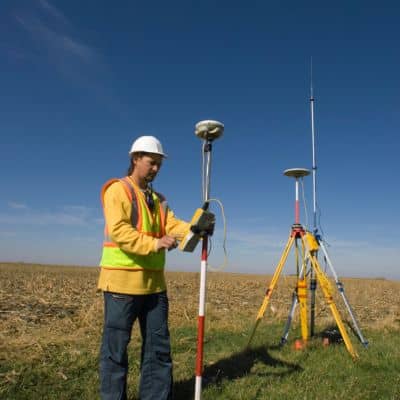
A residential land survey replaces opinion with measured data. That change alone shifts how projects and conversations move forward.
A survey clearly shows boundary lines, corner positions, structure locations, and possible encroachments. Because of that, you don’t rely on memory or neighbor claims. You rely on documented measurements.
Contractors also prefer working from a recent survey. Permit offices often expect one for boundary-related work. Neighbors usually respond better when you present professional documentation instead of personal belief.
In short, a residential land survey lowers friction and increases clarity.
When homeowners should order a residential land survey
Many owners wait until conflict appears. However, early action saves more money and stress.
You should consider a residential land survey before building a fence, expanding a driveway, adding a pool near a boundary, or installing retaining walls. You should also order one before buying property with unclear corners or when a neighbor questions a line.
Additionally, older surveys lose reliability over time when nearby construction changes reference features. Therefore, updated measurement matters.
Warning signs that a boundary problem is coming
Boundary trouble rarely appears without clues. If you spot early signs, act quickly.
Pay attention when a neighbor questions the line location, when fence lines don’t match your documents, or when corner markers seem missing. Also, watch for situations where different maps show different boundaries or when a contractor asks for a survey and none exists.
At that point, don’t argue. Instead, order a residential land survey and settle the facts.
What to do if you find or question a survey marker
If you discover a survey marker near your project area, leave it alone. Don’t pull it out. Don’t shift it. Don’t try to reset it yourself.
Instead, take photos, note the location, and contact a licensed surveyor. Request a residential land survey review. This approach protects the evidence and keeps the process clean. It also shows good faith if disagreement grows later.
Prevention costs less than conflict
Legal disputes, project delays, and rebuilt work cost far more than prevention. Still, many homeowners skip the survey step to save money upfront. Later, they pay much more to fix the results.
A residential land survey works like boundary insurance. It gives you measured proof before you build or approve work. Consequently, you avoid surprises that hurt budgets and relationships.
Neighbors stay calmer. Contractors move faster. Permits process smoother. Decisions feel easier.
Start with measurement, not assumptions
Property lines don’t depend on memory, online graphics, or old guesses. They depend on measurement. Survey markers represent that measurement on the ground. Therefore, disturbing them creates risk, not solutions.
So if you plan a fence or boundary improvement, start smart. Begin with a residential land survey. You replace doubt with data and conflict with clarity — and every next step becomes easier.