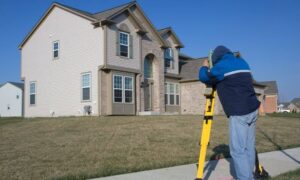

If you’re buying property, a due diligence survey can save you from the worst surprise: the one that shows up when you already feel locked in. The photos look great. The seller sounds confident. The paperwork looks clean. So you tell yourself, “This looks legit.”
However, “looks legit” only describes how a deal feels. A due diligence survey checks what the land and the improvements actually match. That difference matters even more right now, because recent Miami-Dade mortgage fraud news reminded everyone of a simple truth: paperwork can look perfect while reality tells a different story.
And here’s the key point: you don’t need a scam for a deal to go sideways. Regular property mismatches cause chaos every day, especially in a fast market like Miami.
Paper tells a story. The ground tells the truth.
Most buyers think of due diligence as documents. They focus on lender checks, title work, disclosures, insurance quotes, and closing timelines. All of that matters, of course. Still, none of it shows you where the true property line sits on the ground.
So think of it like this:
Paperwork explains ownership and records. A due diligence survey verifies real-world location and use.
In other words, the survey closes the gap between what the listing suggests and what the property truly allows. Because of that, it protects you from surprises that photos, emails, and verbal promises can’t catch.
What “property mismatches” look like in real life

A mismatch means something doesn’t line up. The listing, the seller’s understanding, or even the neighbor’s assumptions may clash with the legal boundaries and the built features on the lot.
In Miami, mismatches hide in plain sight. Lots run tight. Neighbors sit close. Alleys pop up behind homes. Canals, seawalls, and drainage areas shape backyard edges. Plus, older neighborhoods carry old plats and old habits. As a result, people treat “how it looks” as “how it is.”
Let’s walk through the most common mismatches a due diligence survey catches fast, using real-life situations buyers relate to.
The fence that “everyone” treats as the line
You tour the home. You see a fence. The yard looks normal. The neighbor even says, “Yep, that’s the line.”
Then your surveyor marks the corners and measures the boundary. Suddenly, the fence sits a few feet off. Now you face a real question: what did you actually agree to buy?
This mismatch matters because it affects value and future conflict. If you plan to remodel, add a pool, or build a side gate, a wrong fence line can block your plans. Also, if a future buyer spots the issue, they may demand a price cut or walk away.
So yes, the fence looks legit. Still, the survey gives you proof, and proof beats comfort.
The driveway or parking pad that crosses a line
This one stings because it feels practical. You need parking. The driveway works. The pavers look new. Everything seems fine.
However, driveways and parking pads often creep over time. A past owner widens the pad “just a little.” A neighbor does the same. Eventually, everyone treats the layout as permanent. Meanwhile, the boundary stays the boundary, even if the concrete ignores it.
A due diligence survey can show that part of the driveway crosses onto a neighbor’s land, into a shared area, or into a public edge. That discovery changes the deal because you can’t rely on space you can’t control.
Even if nobody argues today, a dispute can start later with one simple moment: a new neighbor arrives, a permit request triggers a review, or a refinance forces a closer look. So, the earlier you find it, the better you sleep.
The “nice upgrade” that created a hidden conflict
Buyers love upgrades. So do listing photos. Patios, sheds, additions, outdoor kitchens, and side gates make a property feel complete. Therefore, many people assume upgrades have equal value with no downside.
But upgrades can create conflicts when someone builds into a restricted space. For example, utilities sometimes need access across a strip of land. Cities also limit how close structures can sit to boundaries. When an addition or patio crosses into a space with limits, you may face tough choices.
A due diligence survey helps you flag these issues early. That matters because fixes cost money and take time. Also, you don’t want to discover a problem after closing, when the seller no longer has any reason to help.
The lot feels bigger than it measures
This mismatch happens all the time. People mow, landscape, and decorate space. Over time, it feels like “their yard.” Even so, use doesn’t equal ownership.
In Miami, this often happens near canal edges, swales, alley lines, and oddly shaped lots. The yard may look wide in photos, yet the true usable area may shrink after the surveyor sets the corners.
That change affects value and plans. For instance, you might imagine room for a pool or a bigger patio. Then the survey shows space doesn’t exist the way you thought. So, once again, the due diligence survey turns “I think” into “I know.”
Why Miami makes the risk feel bigger
Miami deals move fast. Buyers compete. Sellers pick offers that look clean. As a result, buyers sometimes skip steps to win.
However, skipping steps doesn’t remove risk. It only delays the moment you face it—often right before closing, when stress runs high and time runs out.
Miami also has plenty of conditions that amplify mismatch risk:
- tight side yards and close neighbors
- older plats and long-standing “assumed” lines
- shared driveways and alley access
- water edges that change how space feels and works
So, if you buy, treat a due diligence survey like a core step, not a “nice-to-have.”
How to use your due diligence window without slowing the deal
You don’t need to drag the deal out to protect yourself. Instead, you need to move early and move clearly.
Order the due diligence survey soon after you go under contract. That way, you keep leverage and time. Then, tell your surveyor what you worry about. If you worry about the fence, say so. If the driveway looks tight, say so. If the backyard meets a canal or alley, mention it. Clear questions lead to clear answers.
Also, line up the survey review with your title and closing timeline. Title work answers “who owns what rights.” The due diligence survey answers “where things sit and how they line up.” When you review both together, you spot conflicts sooner and avoid last-minute panic.
What to do when the survey finds a problem
When buyers see a surprise on a survey, they often freeze. Don’t freeze. Use the facts.
If a due diligence survey flags a mismatch, you usually have a few paths:
- renegotiate price based on the new risk
- ask the seller to fix or cure the issue when possible
- request a written agreement if a neighbor issue exists
- walk away if the risk breaks your plan
The key stays simple: you want options before closing, not after.
Final thought:
A clean listing and a smooth seller conversation can feel comforting. Still, comfort doesn’t protect your money. Proof does.
So if a deal “looks legit,” treat that as your signal to verify the details while you still can. A due diligence survey helps you catch property mismatches early, keep control of the timeline, and make a decision you won’t regret later.
If you’re under contract right now, don’t wait for closing pressure to force your hand. Order the due diligence survey early, review it while you still have leverage, and move forward with real confidence.