If you’ve started calling around for a boundary survey, you’ve probably noticed something confusing right away. One quote sounds reasonable. Another is much higher. Yet both surveyors say they’re offering the same service. So what’s going on?
In Miami, boundary survey costs don’t follow a flat price list. Instead, they change based on a few practical factors that affect how much time and effort the surveyor needs. Once you understand those factors, the price differences start to make sense. More importantly, you’ll know how to prepare before you request quotes, which can save you time, stress, and money.
Why boundary survey prices in Miami vary so much
Many homeowners expect surveys to work like appraisals or inspections, with a simple price range. However, a boundary survey doesn’t work that way. Surveyors price their work based on time. The more time your property requires, the higher the cost.
In Miami, properties often come with extra challenges. Lots sit close together, records go back decades, and county rules add steps that people don’t always see. As a result, two homes on the same street can end up with very different survey costs.
That doesn’t mean someone is overcharging. It usually means one property takes more work than the other.
How surveyors actually calculate boundary survey costs
To understand pricing, it helps to know what surveyors are really billing for. A boundary survey usually involves three main time blocks.
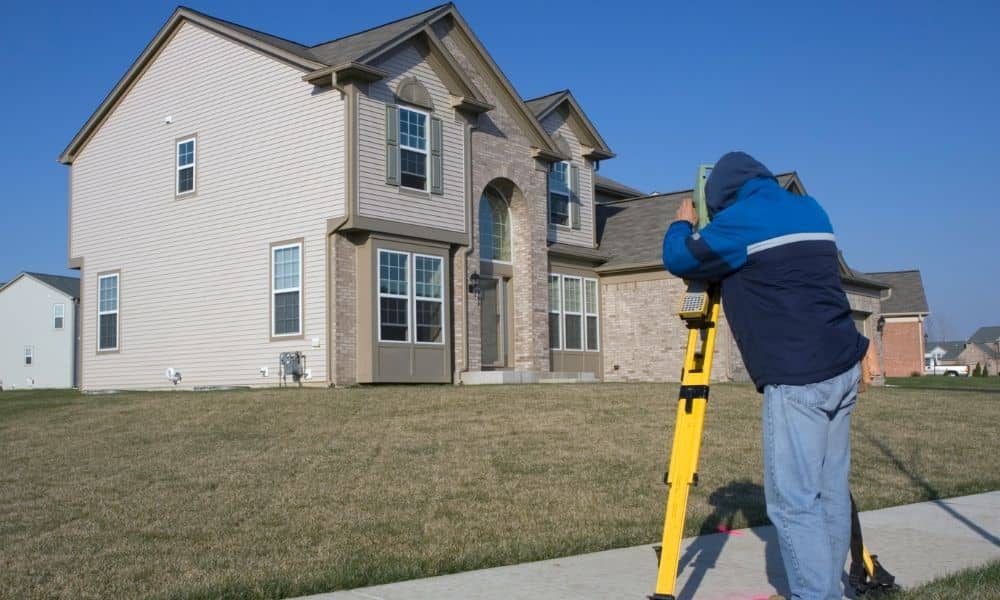
First, there’s research time. The surveyor reviews deeds, plats, and past records to understand how the property was originally described. Next comes field time. This includes measuring the land, locating corners, and checking for markers. Finally, there’s review and documentation time. The surveyor prepares the final drawing and makes sure it meets local standards.
Each of these steps can take longer depending on your property. When one step grows, the price grows with it.
Lot size vs. lot complexity: why size alone doesn’t set the price
Many people assume a small lot equals a low-cost boundary survey. In Miami, that assumption often falls apart.
Smaller lots in dense neighborhoods can actually take more time. Surveyors must work in tight spaces. Boundaries may run close to buildings, fences, or walls. Even a few inches matter. Because of that, the surveyor needs to measure carefully and double-check everything.
On the other hand, a larger lot with clear corners and open space may allow faster work. Straight lines and visible markers reduce guesswork and speed up field time.
So while lot size plays a role, lot complexity usually matters more. Irregular shapes, corner lots, and zero-lot-line properties often increase survey costs, even when the land itself is small.
Property records: the biggest hidden cost factor

Property records play a huge role in boundary survey pricing, yet most homeowners never think about them. Still, records can make the difference between a smooth survey and a complicated one.
Older properties often rely on plats created many years ago. Over time, markers get buried, removed, or damaged. Sometimes, legal descriptions don’t match modern measurements. When that happens, surveyors must spend extra time sorting out the details.
Conflicting descriptions or missing markers force the surveyor to do more research and verification. That added effort increases the final cost.
However, there’s good news. If you already have a past survey or recorded plat, sharing it upfront can help. Even when the document isn’t usable as-is, it can reduce research time and lower the overall price.
County and municipal rules that affect the final price
Miami-Dade County has specific standards for survey documents. These rules affect formatting, certification, and how information appears on the final drawing. While homeowners don’t always see these steps, they still take time.
Sometimes, surveyors must revise documents to match county requirements exactly. Other times, they must include extra notes or certifications. Each revision adds time, and time affects cost.
It’s also important to understand that rules change by location. A boundary survey that works in one county may need adjustments in another. In South Florida, those differences can catch homeowners off guard, especially when they compare prices online.
Property conditions that often increase boundary survey costs
Certain property conditions commonly push survey prices higher. These conditions don’t mean something is wrong with your property. They simply mean the surveyor needs to do more work.
For example, vacant or redeveloped lots often lack clear markers. Older neighborhoods may have limited survey history. Properties affected by rights-of-way or access easements also require more review. In each case, the surveyor must verify boundaries carefully instead of relying on visible clues.
Knowing this ahead of time helps explain why some quotes land above average.
How to prepare before requesting boundary survey quotes
Preparation makes a real difference when it comes to survey pricing. Before you call for quotes, gather a few key items. Start with your deed and parcel number. Then, look for any previous surveys or plats you might have, even if they seem outdated.
Next, clarify the purpose of the boundary survey. Are you ordering it for a closing, a planning step, or simple verification? Clear purpose helps surveyors define the right scope and price accurately.
When you speak with surveyors, ask direct questions. Ask whether full fieldwork is required. Ask if existing records can reduce time. These conversations don’t commit you to anything, but they do help you understand what you’re paying for.
Avoiding the cost of ordering the wrong survey
One common mistake homeowners make is ordering a boundary survey when a different survey is actually required. This mix-up leads to delays and extra costs.
Before you move forward, confirm exactly what the lender, attorney, or local office is requesting. Sometimes, they need specific information that goes beyond basic boundaries. Other times, they only need confirmation of property lines.
By confirming the scope early, you avoid paying for unnecessary work and prevent last-minute surprises.
Final takeaway:
Boundary survey costs may seem unpredictable at first. However, once you understand the drivers, the pricing becomes easier to explain. Lot complexity, property records, and county rules account for most differences.
When you prepare ahead of time and ask the right questions, you stay in control of the process. Instead of reacting to quotes, you can compare them with confidence.
A boundary survey protects your property, but it also protects your budget. Knowing what affects the price helps you make smarter decisions from the start.