In Miami, real estate deals move fast. Buyers want quick closings. Sellers want clean contracts. Lenders want clear answers. However, when FEMA flood updates come into play, that speed can slow down very quickly. Over the past few days, renewed attention on FEMA flood changes has caused sudden shifts in how properties get reviewed. As a result, many Miami deals now face new delays, pricing changes, and last-minute questions. Because of this, one document has become more important than ever: the ALTA land survey.
This is not about fear. Instead, it is about planning ahead. In today’s market, the deals that close smoothly are the ones that remove surprises early.
Why FEMA Flood Updates Are Disrupting Miami Deals
FEMA flood updates do not always make headlines. Still, when they happen, they quickly reach lenders, insurance companies, and title teams. These systems update fast. Because of that, flood zone changes can affect active deals without warning.
In the past, buyers relied on older flood maps when planning purchases. Today, updated data flows straight into loan and insurance systems. As a result, properties can change flood zones while contracts are already underway.
Because of this, buyers often face sudden problems:
- Insurance prices change
- Loan approvals slow down
- Title reviews take longer
- Closing dates get pushed back
So, what looked like a safe deal on Monday can become uncertain by Friday. In a fast city like Miami, even short delays can cause big problems.
Why Miami Feels These Changes More Than Other Cities
Miami real estate moves quickly. Investors act fast. Developers work on tight schedules. Commercial closings run on strict timelines. Because of this, the market has little room for sudden changes.
At the same time, Miami sees frequent flood rule updates. These changes often come from new data models, not from visible flooding. That can confuse buyers, since the property may look fine but still fall into a higher-risk category.
As a result, lenders and insurers respond carefully. Title teams review files more closely. Meanwhile, buyers and sellers rush to adjust.
Because Miami property values stay high, even small flood changes can trigger major reviews. That is why early checks now matter more than ever.
Why Basic Surveys Are Not Enough When Flood Data Changes
Many buyers believe any survey gives enough protection. However, that is not always true.
Basic surveys mainly show property lines and building locations. They do not include legal records, title details, or updated flood data. When FEMA changes flood zones, these simple surveys cannot answer key questions.
That is where an ALTA land survey becomes essential.
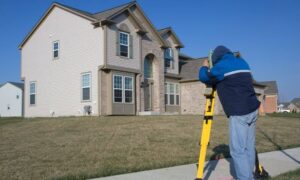
An ALTA land survey combines field measurements, legal records, and title details into one clear report. Because of this, lenders, insurers, and attorneys trust it when decisions must happen fast.
Instead of guessing, everyone gets clear facts.
How an ALTA Land Survey Keeps Deals on Track

When flood data changes, confusion often follows. However, good preparation can keep deals moving.
An ALTA land survey gives buyers and lenders reliable information. Because it follows strict standards, it works as a trusted guide during reviews.
More importantly, it prevents last-minute panic.
Here is how it helps:
- Confirms current flood zone details
- Matches property features with legal records
- Supports insurance pricing
- Speeds up title approvals
- Reduces surprise delays
As a result, buyers avoid rushed fixes and stressful deadlines. Instead, they stay in control.
A Common Miami Scenario: When Flood Data Changes Mid-Deal
Picture a buyer under contract for an office building. The numbers make sense. The loan looks good. The closing date sits only three weeks away.
Then FEMA updates its flood models.
The insurance company raises rates. The lender pauses approval. The title team asks for new documents.
Without a recent ALTA land survey, the buyer must rush to order new work. Deadlines tighten. Stress rises.
However, when a current ALTA survey exists, everything changes. The survey confirms flood details and legal limits. As a result, lenders move forward, insurance reviews finish faster, and the deal stays on track.
Simply put, early planning prevents major problems.
Why Buyers Now Order ALTA Surveys Much Earlier
Because flood updates now move so fast, buyers no longer wait until late in the process. Many now order an ALTA land survey right after signing a contract.
Some even request one before making offers.
This shift makes sense. Early facts protect leverage. When buyers discover issues early, they still have time to adjust plans, pricing, or financing. However, late surprises leave little room to react.
That is why early surveys have become a smart move.
How Miami Due Diligence Is Changing
Miami buyers now focus on three main goals:
- Clear rules
- Reliable insurance quotes
- Predictable closings
An ALTA land survey supports all three.
Instead of treating surveys as paperwork, buyers now see them as protection tools. They help prevent loan delays and title problems. Because of this, ALTA surveys now play a larger role earlier in the process.
Why Flood Updates Now Hit Faster Than Ever
Flood updates once took months to spread. Today, digital systems share them instantly. As soon as FEMA updates its data, lenders and insurers react.
Because of this speed, buyers can no longer assume conditions will stay the same during escrow. Instead, they must expect change and prepare for it.
An ALTA land survey helps buyers stay ahead of those changes.
How Sellers Benefit Too
Sellers also gain from clear survey data.
When flood updates cause confusion, sellers often face:
- Closing delays
- Price negotiations
- Buyer concerns
- Contract changes
However, when sellers provide recent ALTA surveys upfront, buyers feel more confident. Lenders move faster. Title approvals stay smoother.
As a result, prepared sellers often close deals faster and with fewer problems.
Final Thoughts: In Miami, Clear Data Closes Deals
Miami real estate always involves water, weather, and risk. Still, most deals do not fail because of flooding. They fail because of sudden surprises.
Today, FEMA flood updates reach transactions faster than ever. That makes preparation more important than timing.
An ALTA land survey does not remove flood risk. However, it removes uncertainty.
It brings clarity when stress rises. It keeps lenders moving. It stabilizes insurance reviews. Most of all, it protects closing schedules.
In a market where speed and confidence matter, an ALTA land survey is no longer optional. It is insurance.