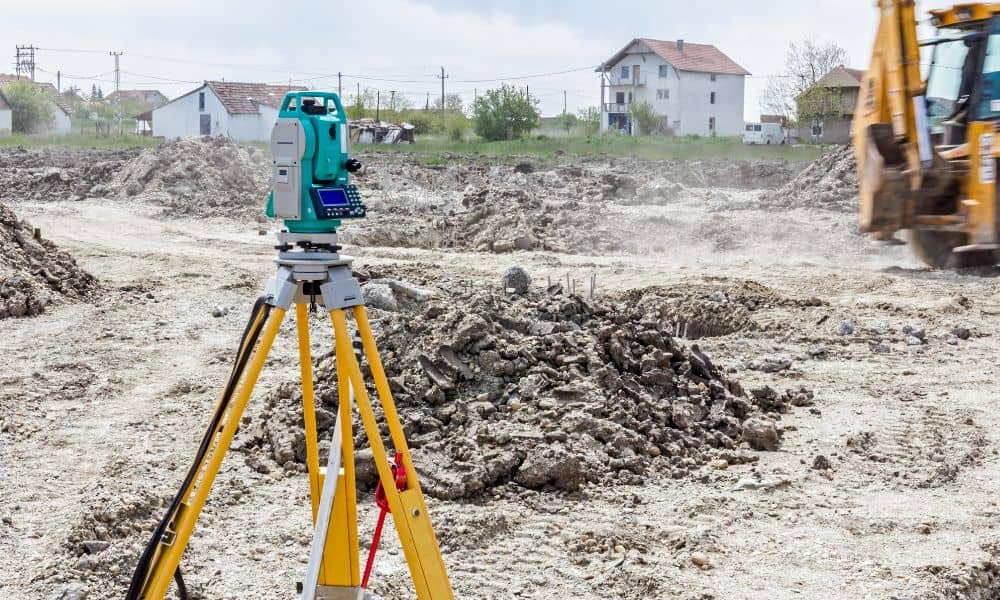
If you follow local news in Miami, you’ve probably seen the recent fight over land development. A proposed expansion near protected areas sparked strong reactions. County officials stepped in. Neighbors raised concerns. Environmental groups pushed back. Developers defended their plans. At first glance, it looked like a political debate. However, at its core, the issue came down to something much simpler: where the legal lines of the property actually sit. Because of stories like this, more homeowners and investors have started searching for land surveyors in my area. When land use becomes controversial, people begin to wonder about their own property lines. And that makes sense.
Development Disputes Usually Start with Lines on a Map
When a project sparks public debate, people often focus on size, traffic, or environmental impact. However, behind the scenes, survey maps and legal descriptions drive most of the decisions.
Zoning maps show what you can build. Survey maps show where you can build.
That difference matters.
For example, a project may sit right next to a protected area. If the boundary shifts by just a few feet, the impact changes. Likewise, if an easement runs across part of the property, construction must adjust. In fast-growing cities like Miami, even inches can carry legal weight.
So when headlines highlight land conflicts, property owners start thinking: “Are my boundaries clear?”
Why This Hits Close to Home for Property Owners
It’s easy to assume these problems only affect large developers. However, boundary issues happen every day in regular neighborhoods.
Let’s say you plan to install a new fence. You trust the existing corner marker. Later, your neighbor claims the fence crosses the line. Now the situation turns stressful.
Or maybe you plan to extend your driveway. You pull measurements from online maps. Unfortunately, those maps don’t show utility easements or official setback lines. The city flags your permit.
Suddenly, what felt like a small project becomes complicated.
That’s why many homeowners search for land surveyors in my area before starting improvements. They want clarity before conflict.
Miami’s Growth Makes Accuracy More Important Than Ever
Miami continues to grow. Older neighborhoods see new construction. Vacant lots turn into multi-unit homes. Commercial properties expand near residential zones.
As development increases, property pressure increases too.
Many Miami subdivisions date back decades. Original plats may not reflect modern improvements. Over time, fences move. Landscaping changes. Driveways shift. However, the recorded boundary does not move with them.
In addition, land values in Miami remain high. When land becomes expensive, disputes become more serious. A few feet of property can represent thousands of dollars.
Because of that, more people want official confirmation of where their property begins and ends.
Google Maps Is Not a Legal Boundary
Some property owners rely on satellite images. Others check county websites. While those tools help with research, they do not replace a professional survey.
Online maps often show general outlines. However, they do not confirm legal corners on the ground. They also do not identify encroachments or easements that restrict use.
For example, you might see open space on a map and assume you can build there. Later, you discover a drainage easement runs through that area.
At that point, adjustments cost money and time.
Instead of guessing, many people now search for land surveyors in my area to get certified boundary verification before investing in construction.
What a Boundary Survey Actually Protects You From
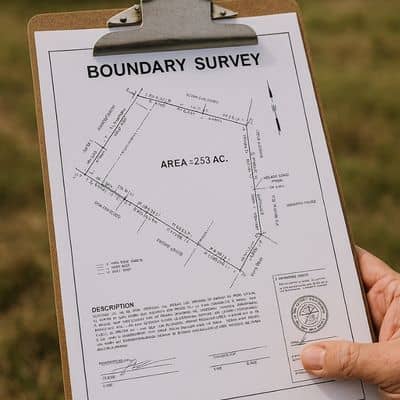
A proper boundary survey does more than mark corners. It provides legal clarity.
First, it confirms the exact location of your property lines based on recorded documents. Second, it identifies any encroachments, such as fences or structures crossing lines. Third, it shows easements that may limit where you build.
As a civil engineer, I’ve seen projects stall because someone skipped this step. Contractors had to remove newly installed improvements. Owners had to redesign plans. In some cases, neighbors hired attorneys.
However, when owners order a survey early, they avoid these headaches.
Clarity saves time. It also protects relationships with neighbors.
Development Headlines Change How Owners Think
News stories about land disputes create awareness. People start asking questions they never asked before.
If a large project faces pushback over land boundaries, homeowners wonder whether their own property contains hidden issues.
Investors feel the same concern. Before closing on a lot, they want assurance that no surprises will appear during permitting.
As a result, search trends often shift after major development news. More people type “land surveyors in my area” because they want confidence before moving forward.
They don’t want to become the next headline.
When Should You Call a Surveyor?
You don’t need to wait for conflict.
In fact, the best time to hire a surveyor comes before:
- Installing a permanent fence
- Adding a pool or room extension
- Subdividing property
- Purchasing vacant land
- Converting a property’s zoning use
- Resolving a neighbor disagreement
Early verification costs far less than fixing mistakes later.
Moreover, survey documentation supports permit approvals. It also gives contractors clear reference points. That means fewer delays and smoother construction.
Certainty Is an Asset in a Growing City
Miami’s development pace will not slow down soon. New projects will continue. Neighborhoods will evolve. Land will remain valuable.
However, growth brings complexity.
The recent development dispute reminded everyone that land decisions rely on precise boundaries. Without accurate data, even well-planned projects can stall.
For homeowners, the lesson feels simple: assumptions create risk. Verified information creates protection.
So when you see another land controversy in the news, don’t panic. Instead, take it as a reminder to understand your own property lines.
Searching for land surveyors in my area isn’t just a reaction to headlines. It’s a proactive step toward protecting your investment.
In a city where space is tight and values run high, knowing exactly where your land begins and ends gives you control.
And in Miami, control over your land means peace of mind.