If you live near the coast, you’ve probably seen it happen. The sky looks clear, there’s no storm, and yet the street starts to flood. Water pushes up through drains, edges over curbs, and creeps into low spots. This is high-tide flooding, and in Miami it shows up more often than many homeowners expect. Because of that, calls for elevation surveys often spike right after these events. People suddenly want answers. Is my house too low? Am I in the wrong flood zone? Why did my insurance quote jump? As a surveyor miami fl property owners often contact me when water levels rise, I see the same pattern every time. First comes the surprise. Then come the document requests. Let’s walk through why this happens and what it means for you.
High-Tide Flooding Feels Different From Storm Flooding
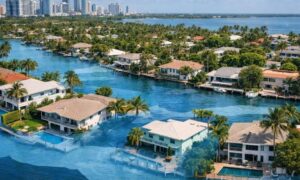
Most people associate flooding with heavy rain or hurricanes. However, high-tide flooding works differently. It happens when ocean water rises enough to push inland through drainage systems and low ground. So even on sunny days, streets can flood.
That creates confusion. Homeowners think, “If it floods without rain, what does that say about my property?”
As a result, people start checking their flood risk. They look at maps, insurance papers, and closing documents. Then they realize they don’t actually know their structure’s true elevation. That gap leads straight to a survey request.
Why Elevation Suddenly Matters After a Flood Event
When water shows up near your lot, elevation stops being a number on paper. Instead, it becomes personal. It affects safety, value, and cost.
For example, flood insurance rates depend heavily on building elevation. Lenders also review elevation data for certain loans. City reviewers may ask for elevation details during permits or improvements.
Therefore, after a high-tide event, many owners want proof — not guesses — about where their building sits compared to expected flood levels.
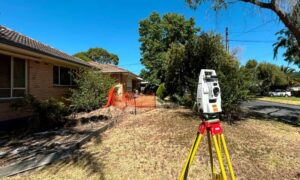
An elevation survey gives that proof. It shows measured heights tied to official reference points. That means decisions can rely on data, not estimates.
What an Elevation Survey Actually Measures
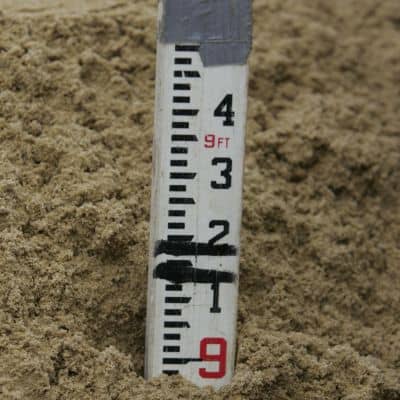
Many homeowners think a survey only marks property corners. In reality, different surveys serve different goals. An elevation survey focuses on height relationships.
During this work, the surveyor measures key points such as:
- Finished floor elevation
- Ground level next to the structure
- Lowest adjacent grade
- Garage or entry elevations
- Mechanical equipment height
These numbers show how your structure compares to base flood levels used by insurers and regulators.
In other words, the survey answers a simple but powerful question: How high does your building sit above expected flood water?
Why Flood Maps Alone Don’t Solve the Problem
People often pull up online flood maps right away. That makes sense. Maps look official and easy to read. However, they tell only part of the story.
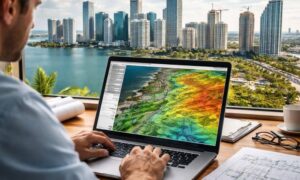
Flood maps show zones, not exact building heights. Two houses on the same block can sit at different elevations. One may sit safely above risk level, while the other sits below — even though both fall inside the same colored zone.
Because of that, insurance companies and lenders don’t rely only on maps. They often request an elevation certificate or elevation survey data tied to your actual structure.
So while maps guide you, field measurements confirm the truth.
The Most Common Triggers for Elevation Survey Requests
After high-tide flooding, several real-world triggers push owners to order elevation work.
First, insurance reviews often start the process. A premium changes, or a new quote looks too high. The agent then asks for elevation data to refine the rate.
Second, property sales bring questions. Buyers want risk clarity. Therefore, they ask sellers for updated elevation documents.
Third, permit applications sometimes reveal missing data. If you plan an addition, renovation, or major repair, reviewers may request elevation confirmation.
Fourth, lender reviews can trigger requests. Some loans require updated flood documentation before approval.
Finally, repeated nuisance flooding near a property motivates owners to check their numbers before the next season.
Mistakes Homeowners Make After Sunny-Day Flooding
When water appears unexpectedly, people move fast. Unfortunately, quick moves often lead to wrong moves.
Some owners rely on very old surveys. However, older documents may not include the elevation points insurers now want.
Others copy numbers from neighbors. That feels logical, yet it creates risk. Small ground differences can change results.
Some trust builder plans instead of field measurements. Plans show design intent, not final built height.
Another common mistake involves waiting too long. Insurance deadlines and closing dates arrive quickly. Survey schedules then feel tight.
A better approach starts with verified, current measurements tied to your structure.
How Elevation Data Helps You Make Better Decisions
Good elevation data does more than satisfy a form. It gives leverage and clarity.
For instance, accurate elevation numbers can support a better insurance rating. They can also speed up underwriting reviews. That saves time and stress.
In addition, elevation confirmation supports smarter renovation planning. If you know your height margins, you can design improvements with confidence.
Accurate data also helps during resale. Buyers trust documented measurements more than verbal claims. That trust supports smoother negotiations.
So instead of reacting to each flood headline, you gain solid ground to stand on.
When You Should Consider Calling a Surveyor
You don’t need to wait for water at your doorstep. In fact, earlier checks often cost less and prevent delays.
Consider calling when:
- Streets near your property flood at high tide
- Your insurance agent asks elevation questions
- You plan major improvements
- You prepare to sell or refinance
- You receive flood zone review letters
At that point, measured data beats guesswork every time.
What to Prepare Before You Request an Elevation Survey
You can also make the process smoother with a little prep.
Try to gather:
- Property address and parcel details
- Any prior survey or elevation papers
- Flood insurance letters
- Recent closing documents
- Permit notices if applicable
This information helps the surveyor plan the work and avoid repeat visits. As a result, you get answers faster.
High Tides Create Urgency — Measurements Create Certainty
High-tide flooding grabs attention because it feels unexpected. Streets flood under blue skies. Neighbors post photos. News spreads quickly. Then property questions follow.
However, fear and headlines don’t solve elevation questions — measurements do.
With proper elevation survey data, you replace worry with facts. You understand your structure’s true position. You support insurance, lending, and permit needs with confidence.
And most importantly, you make decisions based on numbers, not assumptions.