A recent high-profile boundary lawsuit caught national attention. Neighbors accused a public official of claiming part of their land after a fence went up along a disputed line. The case spread quickly online because it touched on something personal—property rights. Although the lawsuit happened outside Florida, the lesson feels close to home. Here in Miami, property lines sit tight, home values run high, and renovations never seem to stop. Because of that, many homeowners have started asking a serious question: Do I truly know where my property begins and ends? That question leads directly to one important concept, land survey property boundaries.
Why a Viral Boundary Dispute Feels So Relatable
At first glance, the lawsuit looked dramatic because of the people involved. However, when you strip away the headlines, the issue feels ordinary. One party believed the fence marked the correct line. The other disagreed. Each side felt confident.
That situation plays out across neighborhoods every year.
Most disputes don’t begin with anger. Instead, they begin with assumptions. A homeowner trusts an old fence line. A neighbor relies on what they saw on a real estate listing. Someone checks a county map online and believes it must be accurate.
However, visible lines and digital lines rarely tell the full story.
In Miami, where lots often sit close together, even small shifts matter. Twelve inches might not sound like much, yet in a tight urban setting, that space can affect driveways, patios, pools, and resale value. As property prices rise, those inches gain financial weight.
Therefore, what feels minor can quickly turn major.
Miami’s Fast Growth Makes Boundary Clarity Critical
Miami doesn’t stand still. Investors flip homes. Owners add outdoor kitchens. Builders tear down and rebuild. After storms, fences and walls often go back up in new positions.
Because construction moves fast, people rely on what “looks right.” Unfortunately, looks can deceive.
Older homes sometimes rely on surveys completed decades ago. Over time, physical markers can disappear. Landscaping covers them. Paving hides them. In some cases, people unknowingly build over them.
Meanwhile, online maps show clean, neat property boxes. However, those boxes serve as estimates. They help with tax records and general location, but they do not establish legal ownership.
That difference matters more than most homeowners realize.
When growth accelerates, so do risks. As a result, confirming land survey property boundaries becomes less about paperwork and more about protection.
The Dangerous Comfort of Digital Maps

Many homeowners zoom into satellite maps and feel confident. The lines appear clear. The shapes seem exact.
However, those lines often drift several feet from true legal boundaries.
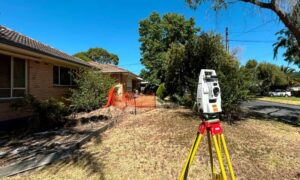
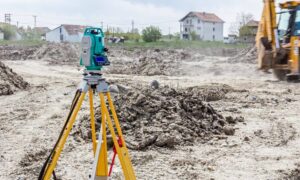
A professional survey works differently. A licensed surveyor studies your deed. They review historical records. They locate physical monuments placed in the ground. Then they measure carefully using precise equipment. Finally, they prepare a signed document that reflects legal reality.
Because of this process, a survey provides something digital maps cannot—certainty.
When neighbors disagree, certainty ends arguments quickly. Without it, disputes linger.
How Small Boundary Mistakes Escalate
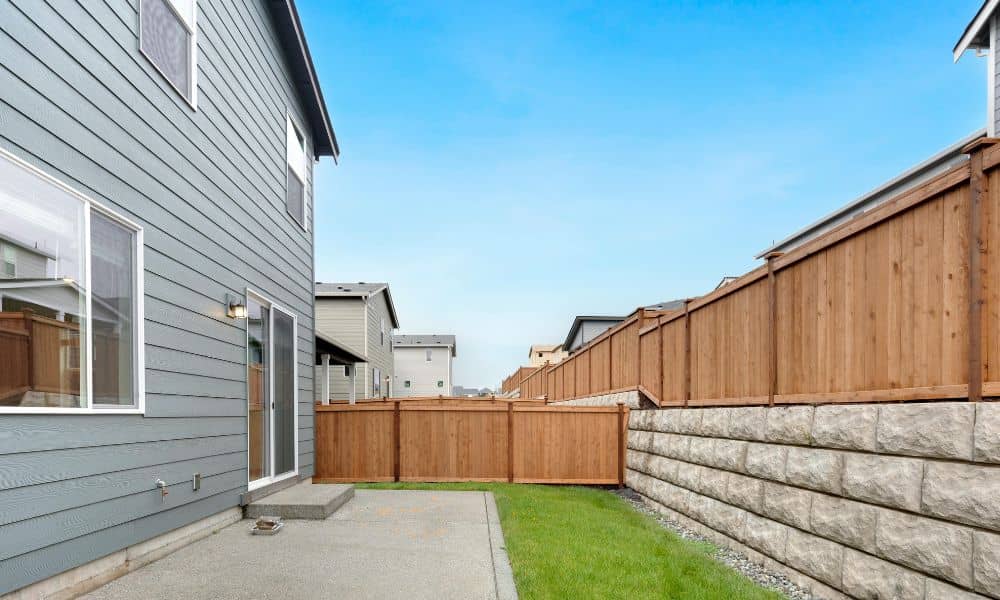
Imagine this common scenario. A homeowner replaces an old wooden fence after hurricane damage. The new fence follows the same line as the old one. Everything looks correct.
Years later, the neighbor decides to sell. The buyer orders a survey. Suddenly, the report shows the fence crosses eighteen inches into the next lot.
Now tension rises.
No one intended harm. Still, the physical structure sits in the wrong place. The cost to remove or adjust it may surprise both sides. Worse, if emotions flare, the disagreement can escalate into legal action.
That type of conflict mirrors what happened in the viral lawsuit. When lines remain unclear, problems grow quietly until someone forces clarity.
Clear land survey property boundaries stop that process early.
The Legal Shadow Behind Boundary Confusion
The recent lawsuit also highlighted a concept that worries property owners—long-term use of land creating legal complications. While Florida law sets specific rules, the idea remains simple: unclear boundaries over time invite legal questions.
If someone openly uses land for years without dispute, arguments may surface later. Although these cases rarely resolve overnight, they can become complex and expensive.
Because Miami real estate continues to climb in value, even narrow strips of land carry significant financial meaning. Therefore, protecting your boundary protects your long-term equity.
Clarity now prevents conflict later.
Peace of Mind Has Real Value
Some homeowners hesitate to order a survey because they believe they already know their lines. Others think surveys only matter during closing.
However, consider the bigger picture.
Your home likely represents your largest investment. The land underneath it defines that investment. Even a small error can affect future renovations, property improvements, or resale negotiations.
When you confirm land survey property boundaries, you gain more than measurements. You gain confidence. You reduce neighbor tension. You move forward with construction plans without fear of hidden mistakes.
In a fast-moving city like Miami, that confidence matters.
The Bigger Lesson Miami Should Not Ignore
The viral boundary lawsuit grabbed attention because it involved powerful people. Yet the real lesson applies to everyday homeowners.
Property lines rarely cause problems until someone challenges them. By then, emotions already run high.
Instead of reacting, smart homeowners act early. They verify their boundaries before building, buying, or selling. They remove guesswork before it turns into dispute.
In Miami’s competitive housing market, where renovations and redevelopment shape entire neighborhoods, guessing carries risk. Clarity carries security.
Ultimately, knowing your exact land survey property boundaries protects more than physical space. It protects your investment, your relationships, and your peace of mind.
And in a city where every inch counts, certainty is worth it.