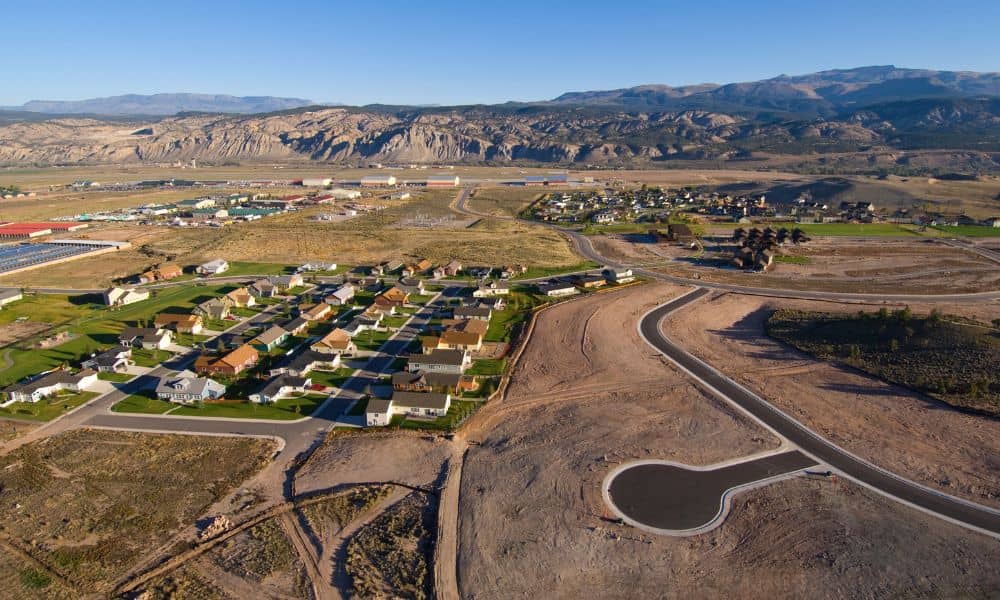
Miami keeps growing. New homes appear. Roads expand. New businesses open across the city. Because of this growth, land has become more valuable. However, growth also brings debate. Right now, many local leaders and developers talk about the Urban Development Boundary, often called the UDB. This line plays a big role in where Miami can grow. It separates areas meant for city growth from areas that must stay rural or protected. Recently, talk about this boundary has appeared more in public meetings and local news. As people discuss where development should happen, another topic comes into focus. That topic is property boundaries. That is why the role of the cadastral surveyor has become more important. When cities grow and land rules change, people need clear answers about where property lines truly sit. For property owners trying to understand how these boundaries are confirmed, read more about how surveyors verify property lines before making important land decisions.
Understanding Miami’s Urban Development Boundary
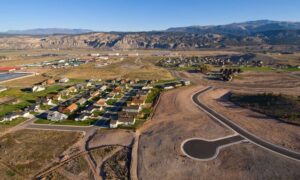
The Urban Development Boundary works as a planning line for Miami-Dade County. In simple terms, it marks the edge of where city growth should happen. Land inside the boundary can support homes, stores, and roads. Land outside the line often stays for farms, open land, or environmental protection.
This system helps guide how the city grows. It also protects wetlands and farmland from too much building. However, housing demand keeps rising. Because of that, people often ask if the boundary should move.
Debates about the UDB happen from time to time. Some groups support expansion so the city can build more homes. Others want the boundary to stay where it is. They want to protect natural land.
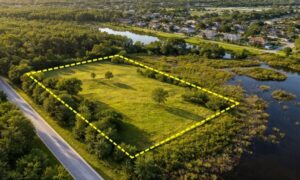
Even though this debate focuses on planning rules, it still affects real properties. Land near the boundary can face big questions. Owners may wonder about value, building options, or land use. At that moment, knowing the exact legal property line becomes very important.
Why Property Boundaries Matter During Development Debates
Many people think they know where their property begins and ends. A fence may look like a clear marker. A driveway or row of trees may look like a boundary. However, these visible features do not always match the legal boundary in land records.
In a growing city like Miami, small boundary mistakes can cause big problems. Someone may buy land and believe it sits inside a development area. Later, they may learn the legal boundary places the property outside the area where building is allowed.
Problems like this can affect building plans and land value. They can also affect investment choices. Because of this, property owners often need expert help to confirm the real boundary.
In many cases, that help comes from a professional cadastral surveyor who can verify exactly where a property begins and ends. Their work connects the legal record of land ownership with the real location of property lines on the ground.
What a Cadastral Surveyor Actually Does
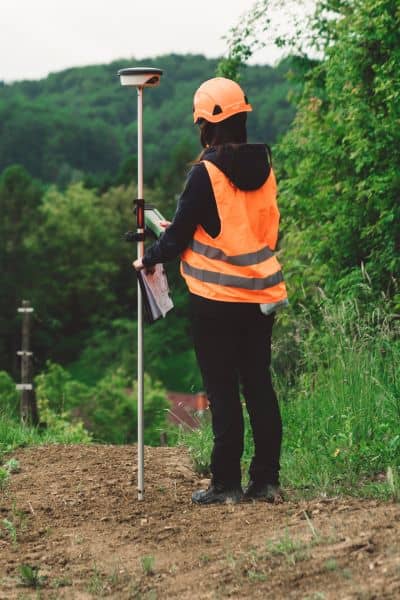
A cadastral surveyor focuses on legal property boundaries. They also work with land records. Instead of guessing where a line sits, the surveyor studies official documents and measures the land.
The process usually starts with research. The surveyor reviews deeds and subdivision plats. They also review recorded land descriptions. These records explain how land was divided. They also show who owns each parcel.
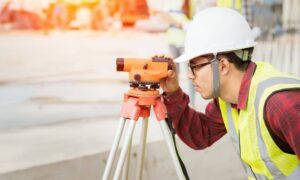
After reviewing the records, the surveyor visits the property. Using survey tools, they locate property markers. Then they measure the land carefully. After that, they compare those measurements with the legal descriptions in public records.
Through this process, the cadastral surveyor identifies the true property lines. This work helps make sure the boundaries on paper match the land on the ground.
Because of this careful process, surveyors provide reliable information. Property owners, builders, and planners can trust this information.
How Surveying Helps Prevent Land Problems
Clear boundary information helps prevent many property disputes. In fact, many land problems start when people assume they know where a property line sits.
For example, a homeowner may build a fence. They may believe the fence sits inside their yard. Later, a neighbor may discover the fence crosses onto their land. Without clear measurements, both sides may disagree about the boundary.
A cadastral surveyor can help solve this problem. The surveyor studies the legal records. Then the surveyor measures the land carefully. Once the real boundary becomes clear, both sides can move forward with confidence.
Surveying also helps when people buy property. Buyers often rely on online maps or real estate listings. These tools can help, but they rarely show exact boundaries.
By confirming the true property limits, a cadastral surveyor helps buyers avoid surprises later.
Why Miami’s Growth Makes Accurate Surveys More Important
Miami continues to grow each year. Because of this growth, land near planning boundaries becomes more valuable.
Investors and developers often study land near the Urban Development Boundary. If rules change or the boundary moves, those properties may gain new building opportunities.
However, these decisions depend on the exact location of property lines. Even a small change in a parcel boundary could place a property inside or outside a development zone.
Because of this, accurate cadastral surveys help landowners understand the true position of their property. Instead of guessing, they receive clear information based on official records and real measurements.
In a fast-growing city, that clarity matters.
Why the Current Debate Highlights the Surveyor’s Role
The discussion about Miami’s development boundary shows how closely land planning connects to property lines. When leaders discuss growth limits, they depend on maps and land records.
Surveyors help create and confirm that information. Their work supports property records. It also helps local governments manage land carefully.
Without accurate cadastral surveys, land planning would become harder. Officials would struggle to understand how parcels connect. They would also struggle to see where development should happen.
For property owners, this work brings peace of mind. Clear boundaries help people make smart choices about buying land or building homes.
Why Property Owners Should Pay Attention
Many people think about surveys only when buying land. However, boundary clarity matters in many other situations.
Homeowners planning a new fence or driveway often benefit from a survey. Developers rely on accurate land measurements before designing projects. Neighbors may also need surveys when questions about property lines appear.
Because Miami keeps growing, these situations will likely happen more often. As land values rise and development pressure increases, property owners want reliable information about their boundaries.
A cadastral surveyor provides that certainty.
Final Thoughts
The debate over Miami’s Urban Development Boundary focuses on how the city should grow. While leaders discuss expansion and land protection, property owners face a simple question. Where does their land begin and end?
That answer comes from the work of a cadastral surveyor.
Surveyors combine legal research with careful land measurements. This work confirms property boundaries that owners, developers, and planners can trust. In a growing city like Miami, this role becomes more important each year.
As the discussion about development continues, clear land information will remain essential. For many property owners, the help of a cadastral surveyor provides the clarity needed to move forward with confidence.